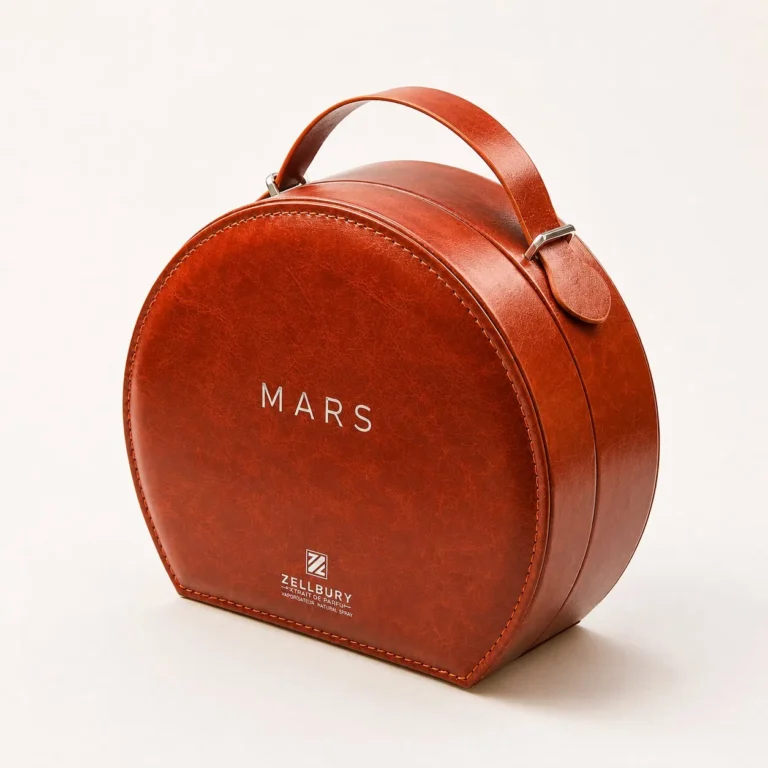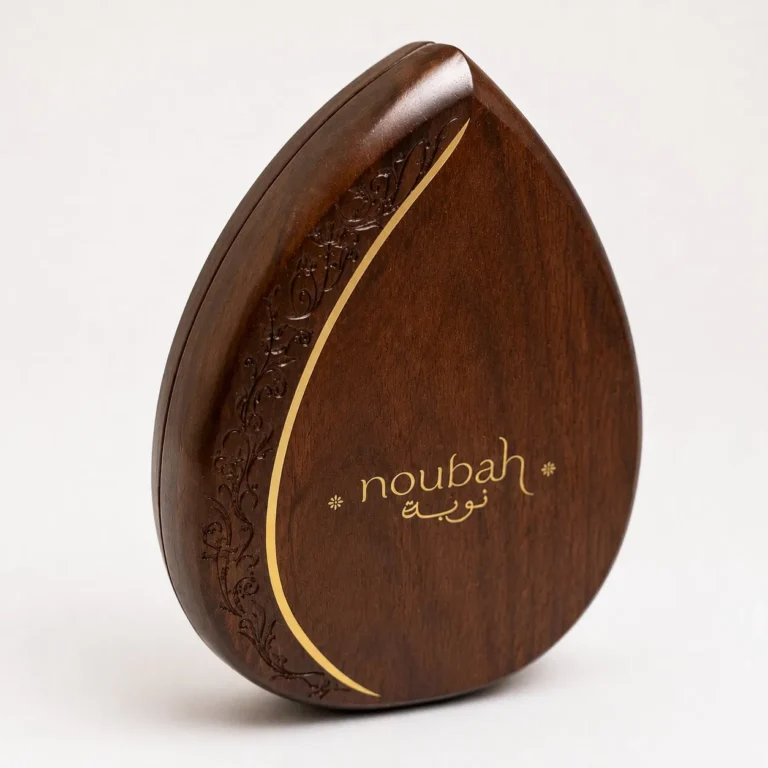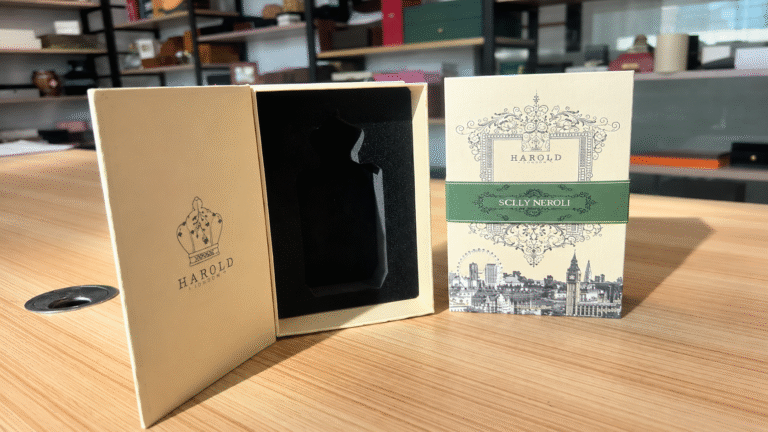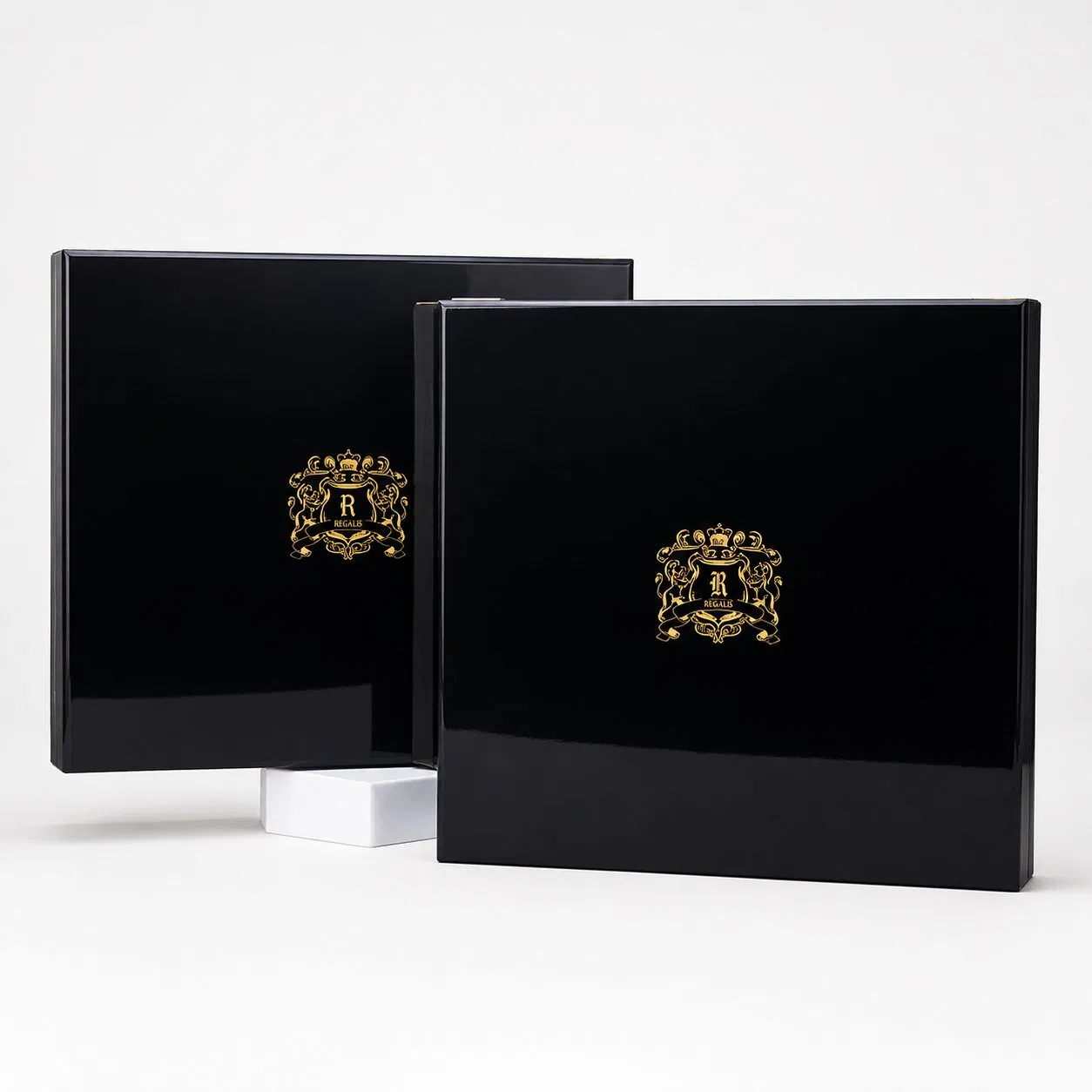
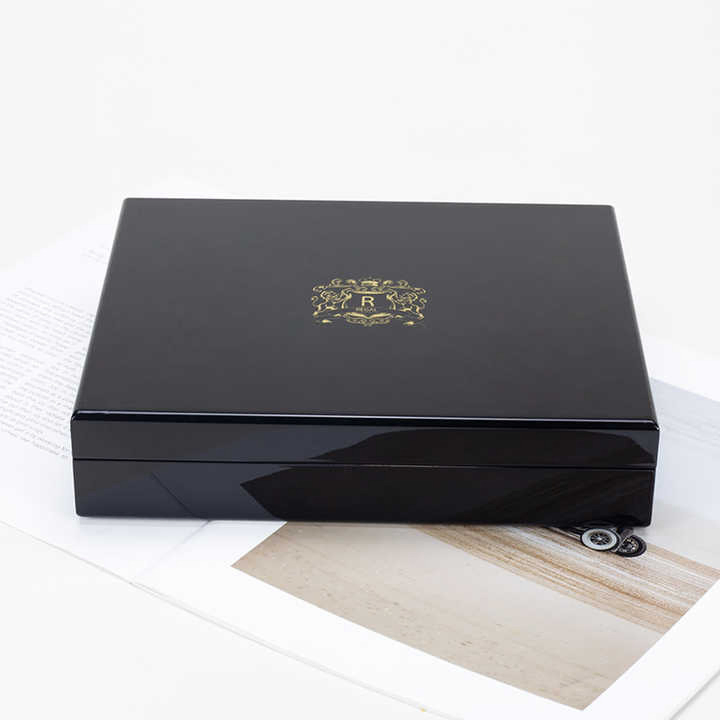
When I look at a finished luxury packaging box, I do not see only a box. I see the work of many people. I see the communication between our sales team and the customer. I see the decisions made by our designers and engineers. I see the care of our production workers. I also see the inspections completed by our quality control team.
At DianYa Packaging, we specialize in B2B custom luxury packaging for wine, cigars, perfume, tea, watches, jewelry, and other premium products. Our customers often come to us with a product, a brand idea, a drawing, or only a basic concept. My team and I help turn that starting point into a real packaging product.
One custom box can look simple when it is finished. The process behind it is not simple. The structure, material, dimensions, surface finish, interior, hardware, and branding details all need to work together. I believe this process shows our company culture better than any short statement could.
Our company motto is “Customer satisfaction is our consistent purpose.” I believe this idea should be visible in every step of our work. The box shown in this article is one example of how our team works together to reach that goal.
From Customer Requirements to the First Design
Every custom packaging project starts with the customer. Before our team talks about production, we first need to understand what the customer wants to achieve. A luxury packaging box needs to protect the product, but protection is only one part of the job. The box also needs to communicate the value of the product and match the customer’s brand image.
When I discuss a new project with a customer, I usually focus on several basic questions. What product will the box hold? What is the product size? How will the customer use the box? What type of opening experience does the brand want? What materials and finishes does the customer prefer? What visual details need to stand out? These questions give our design team a practical starting point.
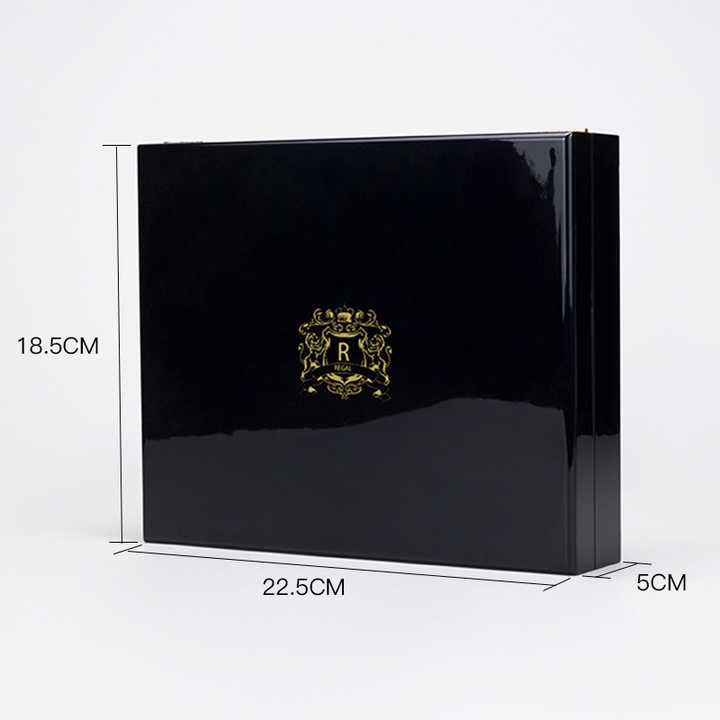
The dimension stage is important because a luxury box needs more than an attractive appearance. The internal space needs to fit the product correctly. The lid needs to open and close in a suitable way. The structure needs enough strength for daily handling and transportation. Our engineering team also needs to consider production requirements before the design becomes a sample.
I often find that small changes can make a large difference. A few millimeters can change the way a product sits inside the box. A small change in the lid structure can affect the opening experience. A different material can change the weight and surface feel. Our team needs to consider these details together instead of treating each part as an independent decision.
For this reason, our design process is based on communication. Our sales team communicates the customer’s needs. Our designers focus on the visual concept. Our engineers focus on structure and production feasibility. This process helps us move from an idea to a design that can be made in a real factory environment.
From Design to Finished Box: The Craftsmanship Behind the Product
After the design is confirmed, the project moves from an idea to a physical product. This stage is where I can see the value of teamwork very clearly. A drawing can show the shape of a box, but a drawing cannot complete the box. Our production team needs to turn the design into materials, components, surfaces, and finished details.
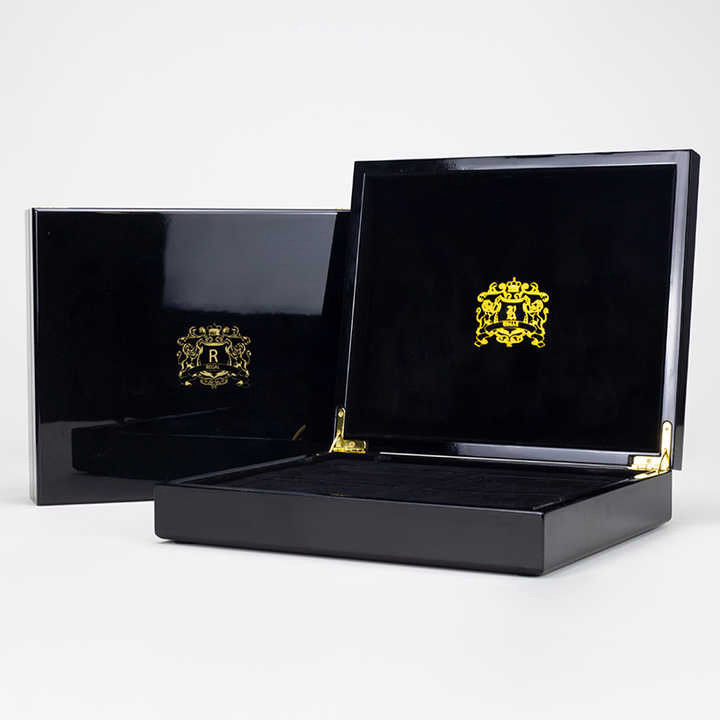
For a premium box, our production team pays attention to many details during manufacturing. The main structure needs to remain stable. The surface needs to maintain a consistent appearance. The interior needs to hold the product securely. Hardware components need to be positioned accurately. Branding details also need to appear in the correct place. Each part may look small, but each part affects the final result.
I believe craftsmanship is especially important in luxury packaging because customers can see and feel the difference. A smooth surface, accurate edge, clean joint, precise interior fit, and balanced opening action can change the overall impression of a box. Our production workers therefore need patience and practical experience. They also need to follow the agreed specifications during mass production.
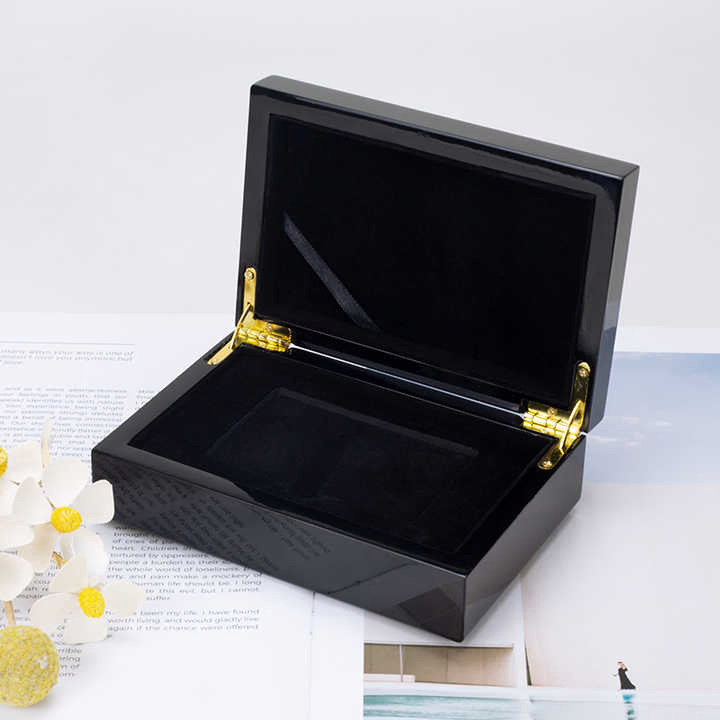
The opening experience is another part that our team takes seriously. A premium box should not only look good when it is closed. The opening process should also feel natural and controlled. Our engineers need to consider the relationship between the lid, hinges, magnets, internal components, and outer structure. Our production team then needs to reproduce those details consistently.
Quality control is also part of this process. Our QC team checks the finished products against the agreed requirements. The team pays attention to dimensions, appearance, surface quality, assembly, hardware, interior details, and other important areas. We know that a small defect can affect the customer’s impression of the entire product. This is why inspection is not an extra step for us. It is part of the manufacturing process.
Our work also does not stop when the first sample is completed. A customer may request a structural change, a different finish, or an adjustment to the interior. We treat these changes as part of custom manufacturing. Our design, engineering, production, and sales teams communicate again and find a practical solution. This process helps us make the final product closer to the customer’s expectations.
More Than a Box: The Culture Behind Every DianYa Project
When I talk about company culture, I do not want to describe it only with general words. I prefer to connect culture with our daily work. A custom luxury box gives me a good example because one product can involve many people and many decisions. The final result depends on how well these people work together.
Teamwork is one of the most important parts of our work. Our sales team needs to understand the customer. Our designers need to understand the product and brand. Our engineers need to understand the design and manufacturing process. Our production workers need to follow the technical requirements. Our QC team needs to check the final result. Each team has a different responsibility, but all teams work toward the same result.
Responsibility is another part of our culture. When a problem appears, we do not want to simply pass it to another department. We want the right people to discuss the problem and find a workable solution. Custom packaging can involve unexpected challenges. A structure may need adjustment. A material may behave differently during production. A customer may change a requirement. We need to respond with clear communication and practical action.
Customer focus is at the center of these efforts. Our motto, “Customer satisfaction is our consistent purpose,” is not only a sentence we use to describe our company. I see it as a working principle. We need to listen carefully when customers explain their requirements. We need to communicate clearly when a design needs adjustment. We need to provide honest feedback when a production issue appears. We also need to pay attention to details that the customer may not see during the development stage.
I have learned that B2B packaging projects depend heavily on trust. A customer is not simply buying a box. The customer is trusting us with an important part of the product presentation. For wine, cigars, perfume, tea, watches, and jewelry, packaging can become part of the customer’s first impression of the product. Our team understands this responsibility.
Continuous improvement is also important to us. Every custom project gives us a chance to learn something new. We may learn a better way to handle a material. We may find a more practical structure. We may improve a production detail. We may also improve how we communicate with international customers. These small improvements can make future projects more efficient and more reliable.
When I look again at the custom box shown in this article, I see more than its shape and finish. I see a process that started with a customer’s requirements and moved through design, structural development, manufacturing, inspection, and final preparation. I also see the people who made each stage possible.
Conclusion
At DianYa Packaging, I believe a luxury box should reflect more than the value of the product inside. It should also reflect the care of the team that made it. Our customers may see the finished box, but our team sees every decision and every production step behind it.
We will continue to develop custom packaging for wine, cigars, perfume, tea, watches, jewelry, and other premium products. We will continue to improve our design, manufacturing, and quality processes. Most importantly, we will continue to work around one clear purpose: customer satisfaction is our consistent purpose.
Every custom box starts with an idea. Our job is to work with the customer, turn that idea into a practical design, and make it into a finished product that the customer can be proud of.