Perfume packaging often looks beautiful, but choosing the wrong material can ruin protection, increase cost, and weaken brand value. Many brands struggle to balance luxury, durability, and sustainability.
**The best material for a perfume wooden box depends on your brand positioning, budget, and protection needs.
Common choices include MDF, solid wood, and plywood, each offering different strengths in cost, durability, and appearance.**
I have seen many clients focus only on appearance at first. But when they receive the final product, they realize the material affects everything, from weight to shipping cost to customer experience.
What material are perfume boxes made of?
Many brands feel confused when they see so many material options. A wrong choice can lead to weak structure or poor visual impact. This creates risk for both product safety and brand image.
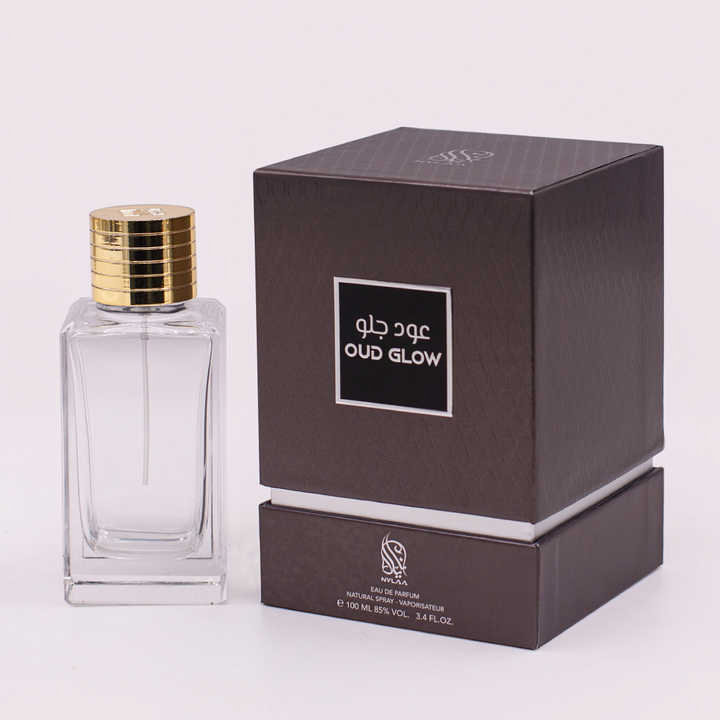
The most common perfume box materials include paperboard, rigid cardboard, MDF, solid wood, and acrylic. Each material serves different needs depending on positioning, cost, and durability requirements.
When I work with clients, I usually start by asking one simple question: “Is this packaging for protection, display, or luxury experience?” The answer guides everything.
Common materials breakdown
| Material | Cost Level | Strength | Luxury Feel | Best Use Case |
|---|---|---|---|---|
| Paperboard | Low | Low | Basic | Mass market products |
| Rigid Cardboard | Medium | Medium | Good | Mid-range brands |
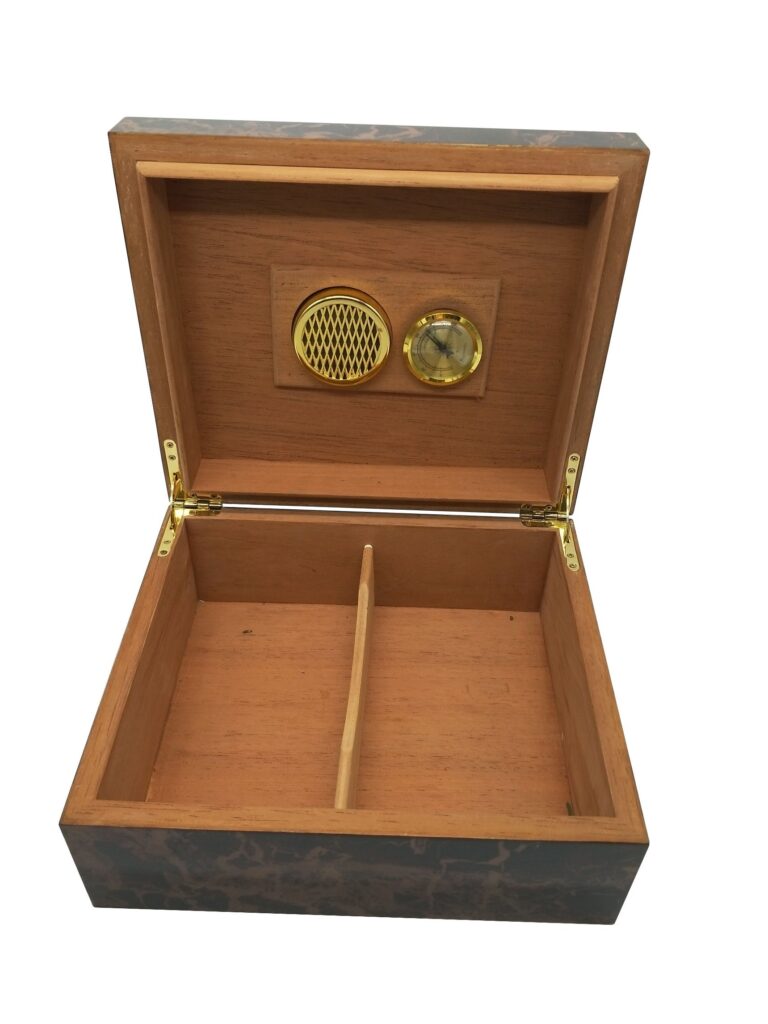
| MDF Wood | Medium | High | Premium | Luxury perfume boxes |
| Solid Wood | High | Very High | Luxury | High-end limited editions |
| Acrylic | High | Medium | Modern | Display-focused packaging |
I have seen many premium brands choose MDF instead of solid wood. The reason is simple. MDF gives a smooth surface for finishing. It also controls cost better. At the same time, it still feels premium in hand.
Which wood is best for perfume?
Many people assume that any wood will work. But this is not true. Different wood types affect weight, texture, durability, and even smell. A wrong choice can reduce the overall experience.
The best woods for perfume boxes are MDF, pine, walnut, and oak. MDF is ideal for consistency and finishing, while solid woods like walnut and oak offer natural luxury and durability.
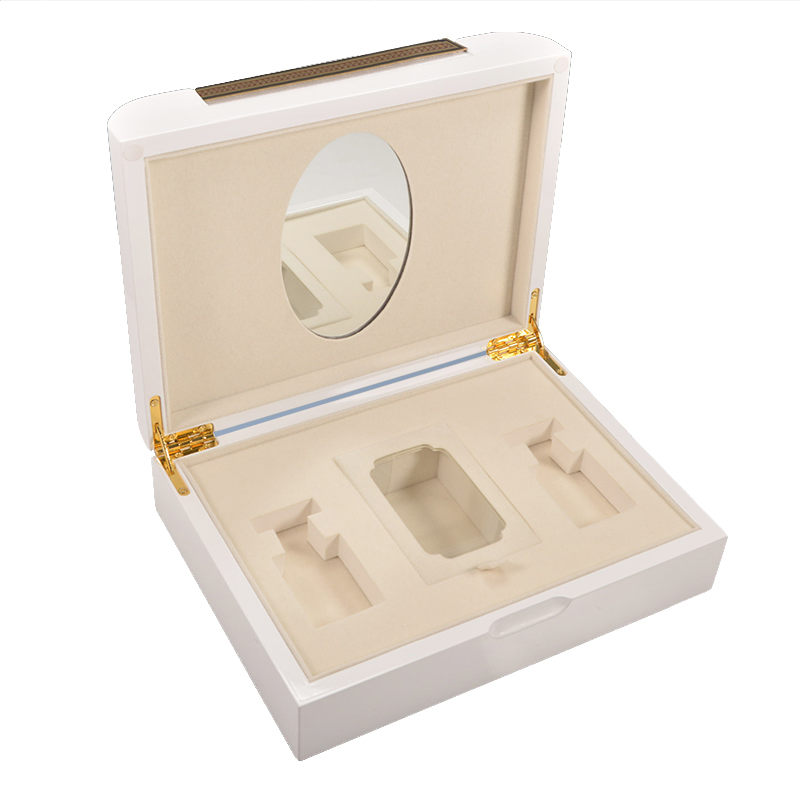
From my experience, I often recommend MDF for most projects. It is stable. It does not crack easily. It works well with painting, PU coating, or veneer finishes.
Comparison of wood options
| Wood Type | Texture | Stability | Cost | Recommended Use |
|---|---|---|---|---|
| MDF | Smooth | Very High | Medium | Painted luxury boxes |
| Pine | Natural | Medium | Low | Budget wooden boxes |
| Walnut | Rich | High | High | Premium gift packaging |
| Oak | Strong | Very High | High | Heavy-duty luxury boxes |
I remember one project where a client insisted on solid oak. The result looked amazing. But the shipping cost increased by almost 30%. After that, they switched to MDF with veneer. The look stayed the same, but the cost dropped significantly.
What is the suitable material for the packaging of perfume?
Many brands focus only on outer appearance. But perfume packaging must also protect fragile glass bottles and reflect brand identity. Ignoring this balance can lead to product damage or weak customer perception.
The most suitable perfume packaging uses a combination of rigid materials for protection and premium finishes for branding, such as rigid cardboard with inserts or MDF wooden boxes with inner linings.
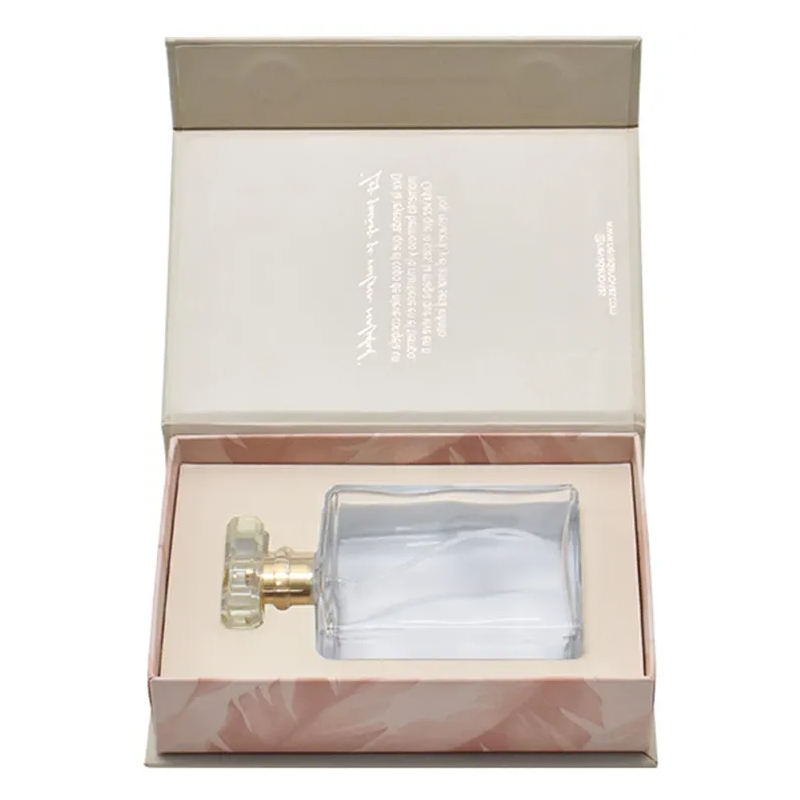
In my daily work, I always look at packaging as a system, not just a box. The outer box, inner tray, and finishing must work together.
Ideal packaging structure
| Component | Recommended Material | Purpose |
|---|---|---|
| Outer Box | MDF / Rigid Cardboard | Protection + Branding |
| Inner Insert | EVA Foam / Velvet Tray | Shock absorption |
| Surface Finish | PU Paint / Lamination | Visual appeal |
| Logo | Foil stamping / Embossing | Brand identity |
I always tell my clients that the unboxing moment matters. When the customer opens the box, the feeling must match the perfume inside. A luxury fragrance cannot sit inside cheap packaging.
I also see more brands moving toward eco-friendly solutions. FSC-certified wood, recyclable paper, and water-based coatings are becoming popular. This is not only good for the environment, but also improves brand trust.
Conclusion
Choosing the right perfume box material means balancing cost, protection, and brand image. The best choice depends on your goals, but smart material selection always improves both product value and customer experience.