Meta Description: Christmas is a special time for family and friends to get together, and fun games can make holiday gatherings even more enjoyable. Christmas dice games are a simple choice because they require only a few dice, some small items, and little preparation. At DianYa Luxury Packaging, we believe small details can improve shared experiences. A dice tray provides a clear rolling area and helps keep dice within reach. In this guide, we will introduce 10 fun Christmas dice games and share practical tips for creating an enjoyable holiday game night.
10 Fun Christmas Dice Games for Family and Friends
Dice games are a good choice for Christmas gatherings because most of them have simple rules. Players can take turns, compete for points, or work together to complete a challenge. Some games need only one or two dice, while others use paper, small gifts, or game pieces. Families can choose different games based on the number of players and the time they have.
1. Christmas Gift Exchange Dice Game
This game adds a little surprise to a traditional Christmas gift exchange. It works well for families, friends, and small holiday parties. Each player brings one wrapped gift, and everyone places their gifts in the middle of the table. Players then take turns rolling a die. Each number represents a different action. For example, one means passing a gift to the person on the left, two means exchanging gifts with another player, three means keeping the current gift, four means choosing a new gift, five means skipping the next turn, and six means exchanging gifts with the person on the right. Players continue until the agreed final round ends. Everyone then keeps the gift in front of them. The rules can be changed to match the group. This game creates funny moments because nobody knows which gift they will have at the end.
What You Need: One six-sided die, wrapped gifts, and a dice tray.
2. Roll a Snowman
Roll a Snowman is a simple drawing game that works well for children and adults. Each player needs a sheet of paper, a pencil, and one die. Before the game starts, everyone agrees on a number for each part of the snowman. For example, one can represent the body, two can represent the head, three can represent the eyes, four can represent the nose, five can represent the arms, and six can represent the hat. Players take turns rolling the die and drawing the matching part. If a player rolls a number for a part they have already drawn, they must wait for another turn. The first person to complete the snowman wins. Families can also add scarves, buttons, or Christmas decorations to make the drawings more creative. This game does not need special equipment, and younger players can enjoy it with help from adults.
What You Need: One die, paper, pencils, and optional colored markers.

3. Santa’s Lucky Dice
Santa’s Lucky Dice is a simple number-collecting game. It is suitable for a small group and can also work at a larger Christmas gathering. Each player takes turns rolling two dice. Before the game begins, the group chooses a target number or a number combination. For example, players may try to roll a total of seven or get the same number on both dice. Every successful roll earns one point. Players can also agree to give extra points for special combinations. Each person records their score on a sheet of paper. After a set number of rounds, the player with the highest score wins. This game is easy to adjust because the group can change the target number and scoring rules. It also gives everyone a reason to stay involved until the final round.
What You Need: Two dice, paper, pencils, and a dice tray.
4. Christmas Dice Race
Christmas Dice Race turns a simple number game into a friendly competition. Each player chooses a small game piece and places it at the starting point of a simple track drawn on paper. The track can have 20 spaces, and players take turns rolling one die. Each player moves their game piece forward according to the number rolled. The first person to reach the final space wins. Families can make the game more interesting by adding special spaces. A player who lands on a Christmas tree may move forward two spaces, while a player who lands on a snowflake may lose one turn. Players can draw their own track with Santa, reindeer, snowmen, and gift boxes. This game combines basic counting with a little competition, so it can be a good choice for children and adults.
What You Need: One die, a paper game track, and small game pieces.
5. Roll and Tell Christmas Stories
This game focuses on imagination instead of winning. It is a good choice for families who want to share stories and create funny holiday moments. Prepare six Christmas-related words or topics. For example, the numbers can represent Santa Claus, Christmas dinner, a snowman, a gift, a reindeer, and a Christmas tree. Each player rolls one die and uses the matching topic to tell a short story. A player who rolls a gift may describe a surprising present they once received. A player who rolls a reindeer may invent a funny story about Santa’s journey. Other players can ask questions or add details to the story. The group can also decide that each story must include two or three Christmas words. There is no strict winner in this game. The main purpose is to help everyone take part and enjoy a relaxed conversation.
What You Need: One die and a list of six Christmas topics.

6. Christmas Number Challenge
Christmas Number Challenge is a quick game for players who enjoy simple number puzzles. Each player rolls two or three dice and tries to reach a target number. The group can choose a target such as 10, 12, or 15 before each round. Players can add the numbers together, subtract one number from another, or use multiplication if everyone understands the rule. For example, a player who rolls three, four, and five can add the numbers to make twelve. Each player has one chance in a round, and the person who reaches the target number or gets closest earns a point. The group can play several rounds and record the scores. Younger children can use addition only, while older players can try more difficult number combinations.
What You Need: Two or three dice, paper, and pencils.
7. Reindeer Race
Reindeer Race brings a Christmas story into a simple tabletop competition. Before the game starts, players draw a race track with a starting line and a finish line. Each person chooses a small game piece to represent a reindeer. Players then take turns rolling one die and moving their pieces forward. The first reindeer to reach the finish line wins. To make the game more interesting, families can add a few special spaces to the track. A Christmas gift space may allow a player to move forward two steps. A snowstorm space may require a player to stay in place for one turn. A candy cane space may give the player another roll. These special spaces make each round less predictable. Children can also decorate the track with Christmas colors and small drawings before the race begins.
What You Need: One die, a homemade race track, and small game pieces.

8. Christmas Lucky Seven
Christmas Lucky Seven is a simple game that gives players a clear target. Each player takes turns rolling two dice and tries to get a total of seven. A player who rolls seven earns one point. A player who rolls any other number does not receive a point for that turn. The group can play for a fixed number of rounds or set a target score, such as five points. The first player to reach the target wins. Families can add a small Christmas reward for the winner, such as a candy cane or a small wrapped gift. Players can also change the target number to make the game easier or more challenging. The rules are easy to remember, so new players can join without a long explanation.
What You Need: Two dice and a small score sheet.
9. Naughty or Nice Dice Challenge
Naughty or Nice Dice Challenge adds funny tasks to a Christmas gathering. Before the game starts, prepare six simple challenges and match each one to a number. For example, one may ask a player to sing a short Christmas song, two may ask them to name three Christmas foods, and three may ask them to act like Santa Claus. Other tasks can include naming a favorite holiday movie, telling a funny Christmas memory, or making a reindeer sound. Players take turns rolling one die and completing the matching task. The group can vote on whether the challenge was completed. It is best to keep every task friendly and suitable for the people taking part. This game can help guests who do not know each other very well start talking and laughing.
What You Need: One die, six prepared challenge cards, and a dice tray.
10. Highest Roll Wins
Highest Roll Wins is one of the easiest games to prepare. It is a good choice when guests want to play something quickly after dinner. Each player takes a turn rolling one die or two dice. If everyone uses one die, the player with the highest number wins the round. If everyone uses two dice, players add the numbers together and compare their totals. When two players get the same result, they roll again to decide the winner. Families can play one round or keep a score for several rounds. The player with the most wins at the end receives a small prize. This game has very few rules, so children, adults, and older family members can all join. A dice tray can also give each player a clear place to roll during every turn.
What You Need: One or two dice and an optional score sheet.
How to Make Your Christmas Dice Game Night More Enjoyable
A good Christmas game night does not need expensive equipment or a complicated plan. A few basic items and a comfortable playing space can make a big difference. We suggest preparing the games before guests arrive. This gives everyone more time to enjoy the activities instead of waiting while someone explains the rules or looks for missing materials.

Choose Games for Different Age Groups
Families often include children, teenagers, parents, and grandparents. Each person may have a different idea of what makes a game fun. Some people enjoy number challenges, while others prefer drawing, storytelling, or friendly competition. We recommend choosing a mix of easy and more challenging games. Children can start with Roll a Snowman or Highest Roll Wins because these games have simple rules. Adults may enjoy Christmas Gift Exchange Dice Game or Naughty or Nice Dice Challenge because these games create more interaction. Families can also let players choose the next game after each round. This small choice gives everyone a chance to take part in planning the evening. A good game night should not make anyone feel left out. The rules should be clear, and the activities should match the interests of the group.
Prepare Dice and Small Gifts in Advance
Preparation helps the game night run smoothly. Before the gathering, we suggest checking how many dice each game needs. Some games use one die, while others need two or three. Families should also prepare paper, pencils, game pieces, and small gifts when the rules require them. A few wrapped presents can make a gift exchange game more exciting. Small prizes such as candy canes, chocolate, or Christmas decorations can also add a little motivation. It is useful to place all game materials in one area so players can find them easily. If the group plans to play several games, prepare a short list of rules for each one. Players can read the instructions before their turn. This simple step can reduce waiting time and help everyone understand the game.
Create a Comfortable Playing Space
The playing area is another important part of a family game night. A dining table or coffee table can work well for most dice games. However, loose dice may roll away when players throw them with different levels of force. Players may need to stop the game and look under chairs or tables. A dice tray offers a clear area for rolling and helps keep the dice within its raised edges. It can also keep the game materials in one place. We suggest placing the tray where every player can reach it without moving other items on the table. A soft interior surface also gives players a suitable area for rolling dice. Families can choose a color that matches their holiday decorations. A red or blue tray can fit well into a Christmas game setup.
Let Everyone Take Turns
Good group games should give every player a fair chance to participate. Before the first round, decide who will start and which direction the turns will follow. Players can take turns clockwise around the table. A simple score sheet can help everyone follow the results when a game uses points. Families can also divide into small teams if there are many guests. For example, parents and children can form mixed teams for a Christmas number challenge. Players can help each other and share ideas during the game. We also suggest keeping the rounds short. A game that lasts too long may make some guests lose interest. A few short rounds allow the group to try different activities and keep the evening lively.
Why a Dice Tray Is a Useful Accessory for Christmas Dice Games
A dice tray may look like a small game accessory, but it can make a tabletop game easier to organize. During a family gathering, several people may take turns rolling dice on the same table. Without a defined rolling area, dice can move toward the edge or mix with other game items. A dice tray provides a dedicated space for each roll. It also gives the playing area a more organized appearance. At DianYa Luxury Packaging, we pay attention to the structure, surface, and appearance of products. These details also matter when choosing accessories for tabletop games.
Keep Dice Within the Playing Area
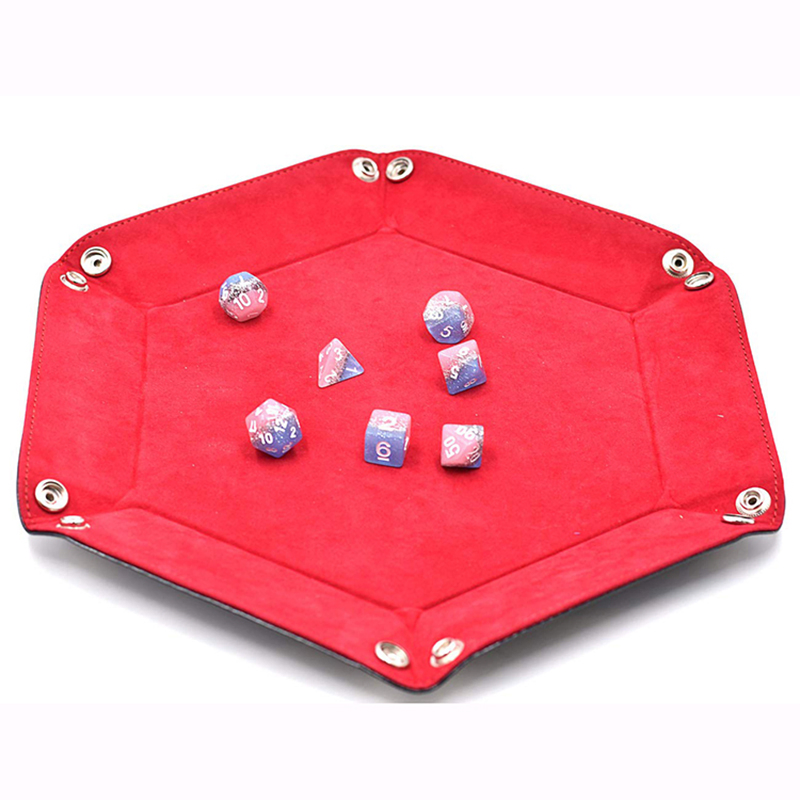
One common problem during dice games is that dice can roll away from the main playing area. This can interrupt the game and make players spend time looking for them. A dice tray has raised sides that help keep dice within a defined space. Players can roll the dice inside the tray and collect them before the next turn. This design is useful when several family members share one table. It can also help keep dice away from other items, such as drinks, food, paper, and small gifts. Different tray shapes offer different playing areas. A rectangular tray provides a familiar layout, while an octagonal tray creates a more compact rolling space. The best choice depends on the number of dice, the available table space, and personal preference.
Enjoy a Soft Rolling Surface
The surface inside a dice tray is another detail worth considering. Some trays use a soft fabric or velvet-like lining to create a comfortable rolling area. This type of surface gives dice a different feel from a hard tabletop. It also creates a clear visual contrast between the dice and the tray, which can make the numbers easier to see during a game. Color is another part of the design. Blue, red, and brown interiors can create different looks for a tabletop setup. For Christmas gatherings, a red tray can match common holiday decorations, while a blue tray can create a calm and classic appearance. Players can choose a design based on their game accessories and personal style. The lining material and finish should be checked against the actual product specifications before purchase.
Choose Different Shapes and Designs
Dice trays come in different shapes, sizes, and colors. Each design can offer a different look and playing experience. A rectangular tray provides a wide central area for rolling several dice. An octagonal tray has multiple sides around the playing surface and can create a distinctive tabletop style. Some designs have a black exterior with a colored interior, while others use the same color across the main surface and sides. These details allow players to choose a tray that fits their other gaming accessories. For families who enjoy board games and tabletop activities, a well-designed tray can also become part of their regular game setup. The product does not need to be used only during Christmas. Players can bring it out for weekend game nights, birthday gatherings, and casual games with friends throughout the year.
Foldable Design for Easy Storage
Storage is another factor to consider when choosing a dice tray. Some trays use metal snap buttons at the corners. Players can fasten the corners to form raised sides before a game. After playing, they can release the buttons and lay the tray flat. This structure makes the tray easier to store when it is not in use. It can also help save space in a drawer or gaming storage area. Foldable designs are useful for people who enjoy tabletop games but do not want to leave all their accessories on the table. Brown and red leather-style designs can also add a different appearance to a game collection. Before choosing a tray, players should check its dimensions, materials, button structure, and available colors. These details help them find a design that fits their regular gaming habits and storage needs.
When we look at a dice tray as part of a game setup, we consider both its practical structure and its appearance. The tray should provide enough room for the dice, have suitable raised sides, and fit the space where players plan to use it. Color and lining also affect the overall look. A simple design can work well for everyday family games, while a more distinctive color can make a holiday gathering feel special. Players should choose a tray based on how they plan to use it instead of focusing only on its appearance.
Conclusion
Christmas is a good time to slow down and enjoy simple activities with family and friends. These 10 Christmas dice games offer different ways to bring people together after dinner or during a holiday party. Some games focus on numbers and competition, while others encourage storytelling, drawing, and gift exchanges. Most of them need only a few basic materials and clear rules. A dice tray can make these activities easier to organize by providing a defined rolling area and helping keep dice within reach. It can also become a useful accessory for board games and tabletop activities throughout the year. At DianYa Luxury Packaging, we believe that thoughtful product details can add value to everyday experiences. We hope these game ideas help you plan a fun Christmas game night and create more happy moments with the people around you.