At Dianya Packaging, we often recommend digital printing for small production runs because it eliminates expensive plate-making costs while delivering attractive results. However, offset printing can be more economical for larger orders. Understanding the differences will help you make a better purchasing decision.
What Is Digital Printing for Custom Packaging?
Digital printing is a modern printing method that transfers artwork directly from a digital file onto paper without requiring traditional printing plates. It is particularly suitable for short-run packaging projects, customized designs, and brands that need greater production flexibility.
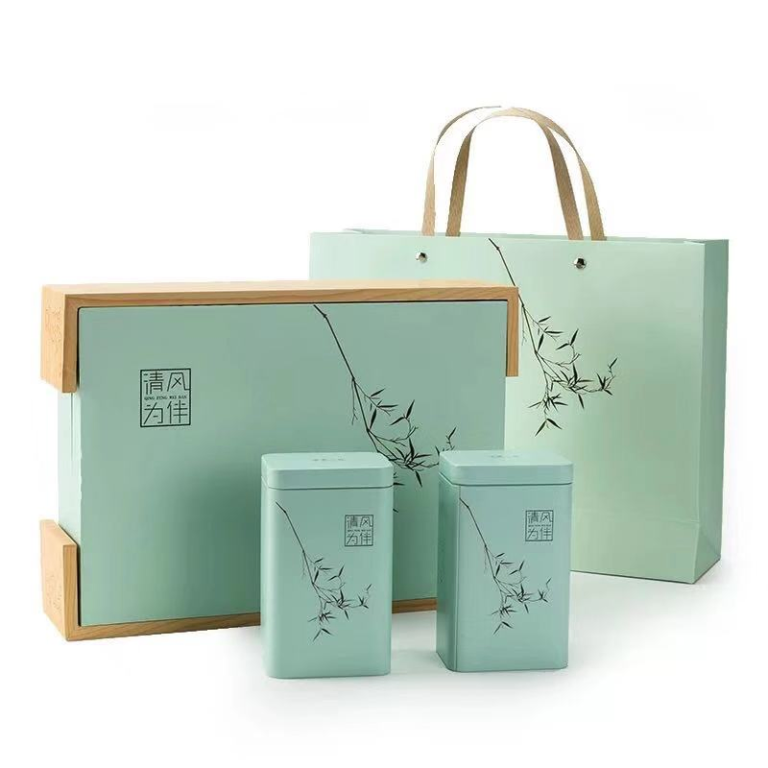
For custom gift boxes, digitally printed paper can be used as the outer wrapping material. After printing, the paper can be laminated if required and mounted onto rigid cardboard or MDF structures to create a finished box.
Key advantages of digital printing:
- No printing plates: Artwork can be printed directly from a digital file, avoiding traditional plate-making expenses.
- Lower initial costs: It is generally more cost-effective for small quantities because there are fewer setup expenses.
- Flexible customization: Artwork, colors, and design details can be adjusted without producing a new set of printing plates.
- Faster preparation: Without plate production, the printing process can start more quickly.
- Suitable for multiple designs: Different artwork versions can be produced within the same order, depending on the printing setup.
Digital printing is particularly useful for emerging brands, limited-edition collections, promotional gift boxes, and projects that require relatively small production quantities.

What Is Offset Printing for Custom Packaging?
Offset printing is a traditional commercial printing process that transfers ink from printing plates to a rubber blanket and then onto paper. It is widely used for high-volume packaging production because of its consistent printing quality and competitive unit cost at scale.
Unlike digital printing, offset printing requires the preparation of printing plates before production. Each color separation requires its own plate, which creates an initial setup expense. However, once the plates are ready, large quantities can be printed efficiently.
Key advantages of offset printing:
- Consistent color reproduction: Offset printing supports precise brand color management, including Pantone spot colors when the appropriate inks are used.
- Excellent printing detail: It delivers sharp text, clean graphics, and high-quality images.
- Economies of scale: The initial plate and setup costs are distributed across a larger quantity, reducing the cost per printed sheet.
- Wide finishing options: It can be combined with processes such as matte or gloss lamination, spot UV, foil stamping, and other decorative treatments.
Offset printing is often a good choice for established brands with stable designs and large production requirements, especially when accurate brand color reproduction is a priority.

Digital vs. Offset Printing: Key Differences
Both printing methods can produce attractive packaging, but they differ in setup costs, production flexibility, and cost efficiency.
| Comparison | Digital Printing | Offset Printing |
|---|---|---|
| Printing plates | Not required | Required |
| Initial setup cost | Generally lower | Generally higher |
| Small quantities | More economical in most cases | Higher setup cost per unit |
| Large quantities | May have a higher unit cost | Often more cost-effective |
| Color management | CMYK color reproduction | CMYK and Pantone spot colors |
| Design changes | Easy to update digitally | May require new plates |
| Production flexibility | High | Lower for frequent design changes |
One important point: Neither method is automatically superior in every situation. The right choice depends on the complete packaging specification rather than printing technology alone.
Which Printing Method Is More Cost-Effective?
For most custom packaging projects, order quantity is one of the most important factors influencing the printing cost.
Small Orders: Digital Printing Is Usually the Better Choice
When ordering a few hundred custom gift boxes, offset printing may involve considerable additional expenses for plate production and machine setup. These fixed costs can make the unit price unnecessarily high.
Digital printing removes the traditional plate-making requirement. This makes it a practical option for small production runs, product launches, market testing, and limited-edition packaging.
Large Orders: Offset Printing Can Offer Better Unit Pricing
For larger orders with consistent artwork, offset printing often becomes more economical. Although the initial setup cost is higher, it can be spread across thousands of printed sheets, reducing the average printing cost per unit.
As a general reference, digital printing is often worth considering for orders below approximately 500 units, while offset printing may become increasingly competitive around 1,000 to 2,000 units or more. These are not fixed industry thresholds. The actual break-even point depends on paper size, artwork, printing specifications, finishing requirements, and factory pricing.
Our recommendation: Request quotations for both methods when ordering in the intermediate quantity range. Comparing the total project cost is more useful than comparing the printing price alone.
A Real Customer Experience: Why We Recommended Digital Printing
At Dianya Packaging, we believe that a suitable production solution should balance appearance, quality, and cost.
In one of our recent projects, a customer wanted custom gift boxes wrapped with printed paper featuring their own brand identity. The order quantity was relatively small, and the customer wanted the printed paper to display their logo and artwork clearly.
We considered the printing requirements and recommended digital printing instead of offset printing.
Why did we make this recommendation?
- The order quantity was not large enough to justify the additional plate-making costs of offset printing.
- Digital printing could reproduce the customer’s artwork and branding without unnecessary setup expenses.
- It offered a more economical solution while meeting the project’s visual requirements.
We proceeded with the recommended printing method and completed the custom boxes. After receiving the products, the customer was very satisfied with the final result.
This experience reinforced an important principle: choosing a more expensive printing method does not necessarily mean getting a better solution. For small orders, digital printing can provide the right balance between presentation quality and production cost.

How to Choose the Right Printing Method for Your Gift Boxes
Before confirming your packaging order, consider the following factors:
1. Order Quantity
Start by confirming the required quantity. Digital printing is generally more suitable for short runs, while offset printing is worth evaluating for larger production volumes.
2. Brand Color Requirements
If your packaging requires a highly specific Pantone color, discuss the printing capabilities with your manufacturer. Offset printing offers dedicated spot-color options, while digital printing generally uses CMYK color reproduction. Always request a physical print sample when color accuracy is important.
3. Paper Material and Surface Finish
The paper type also influences the final appearance. Coated paper, textured paper, and specialty papers may produce different results under different printing processes. If you require matte lamination, gloss lamination, foil stamping, or embossing, confirm that the selected printing and finishing processes are compatible with your chosen paper.
4. Budget and Production Schedule
Consider the total cost, including printing, paper, finishing, box assembly, and other manufacturing expenses. Digital printing can reduce initial preparation time, while offset printing may provide better production efficiency at higher volumes.
5. Final Product Quality
Do not evaluate printing quality based on a digital image alone. Ask your packaging supplier to prepare a physical sample so you can check color, sharpness, paper texture, and the overall appearance after the paper is mounted onto the box.
Why Choose Dianya Packaging for Custom Gift Boxes?
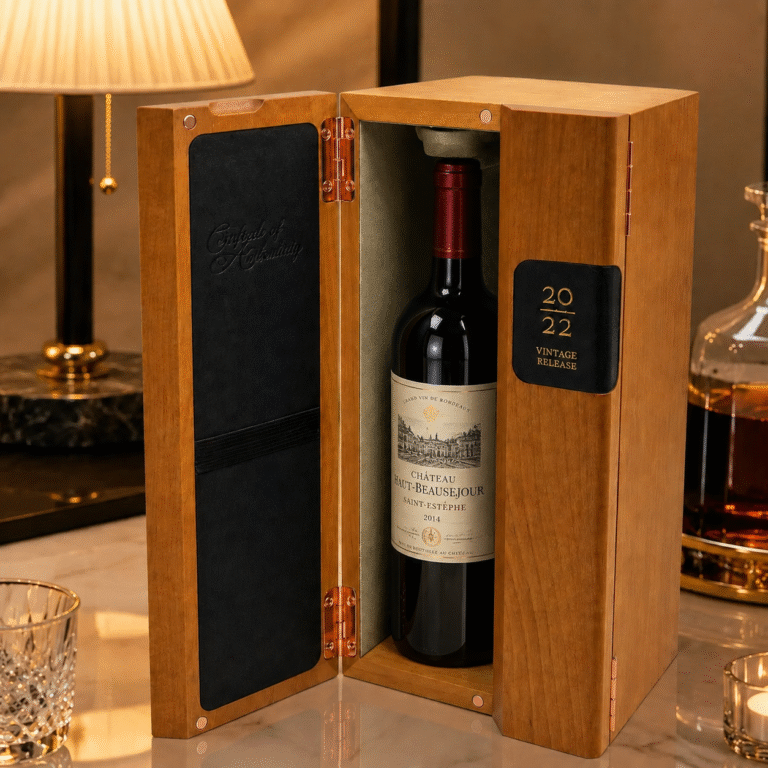
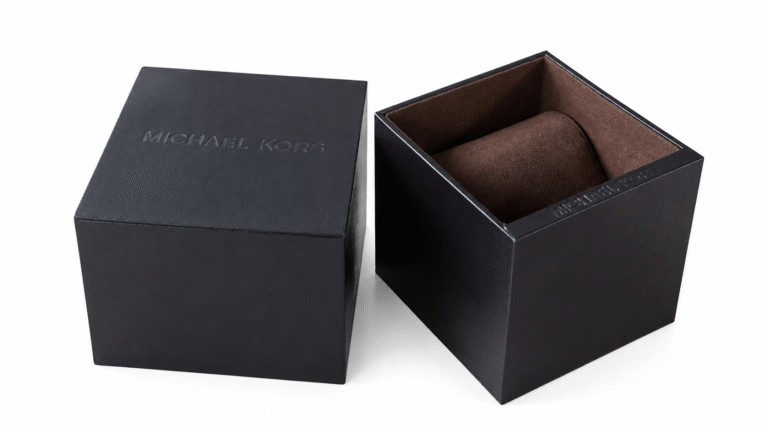
At Dianya Packaging, we specialize in manufacturing customized gift boxes, including wooden boxes, rigid boxes, and leather-wrapped boxes for different industries and applications.
We understand that every brand has different packaging requirements. Some projects prioritize luxurious appearance, while others focus on cost control, limited production quantities, or unique structural designs.
Our team evaluates each project based on its materials, artwork, quantity, and finishing requirements to recommend a suitable manufacturing solution.
Whether you need a digitally printed paper-wrapped gift box, a premium offset-printed rigid box, or a customized wooden presentation box, we aim to help you achieve the right balance between quality and budget.
Planning a custom packaging project? Send us your box dimensions, artwork, estimated order quantity, and reference images. Our team will help you evaluate the printing options and recommend a suitable solution.
Conclusion
Digital and offset printing both have their advantages. Digital printing is generally more economical and flexible for small orders, while offset printing offers better cost efficiency for larger quantities and more precise spot-color control. The best choice is the one that meets your packaging requirements without creating unnecessary costs.
At Dianya Packaging, we focus on recommending the right printing method for each project, helping brands create attractive custom packaging with practical production costs.