Meta Description: Learn what to ask a custom perfume box manufacturer before ordering, from bottle dimensions and custom inserts to materials, sampling, quality control, MOQ, production, and delivery.
When I work with a perfume brand on custom packaging, I have found that the first question should not be, “How much does the box cost?” A better question is, “What should I confirm before I place the order?” A luxury perfume box is more than an outer container. It needs to fit the bottle, protect the product, support the brand image, and create a strong opening experience. A small mistake in any of these areas can become expensive when production reaches thousands of pieces.
At DianYa Packaging, I often see brands struggle with standard boxes that do not fit their perfume bottles, samples that may differ from bulk orders, and quotations with unclear specifications. I believe buyers should ask clear questions before ordering to evaluate a manufacturer’s design ability, production control, quality, and communication. This article provides a practical checklist for brands preparing to order custom perfume packaging.
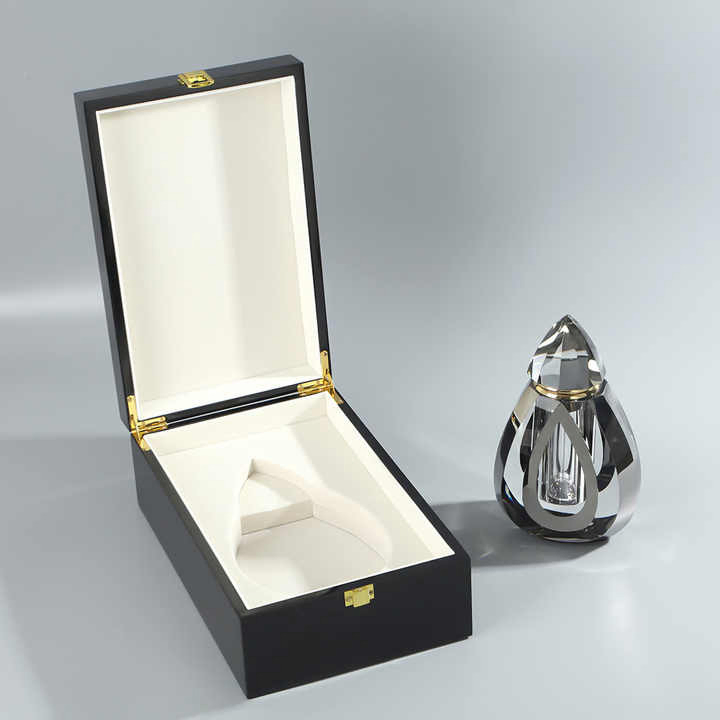
Before Getting a Quote: Can the Manufacturer Build the Box Around Your Perfume?
When I receive a custom perfume packaging inquiry, I do not start with the outer box alone. I first need to understand the product that the box must hold. A perfume bottle can have a standard rectangular profile, a rounded body, a heavy base, a large cap, or an unusual silhouette. These details change the internal structure. I believe a good custom perfume box should be developed around the actual product instead of forcing the product into a standard package. This approach gives the brand more control over protection, presentation, and the final dimensions of the package.
Have You Made Similar Custom Perfume Boxes Before?
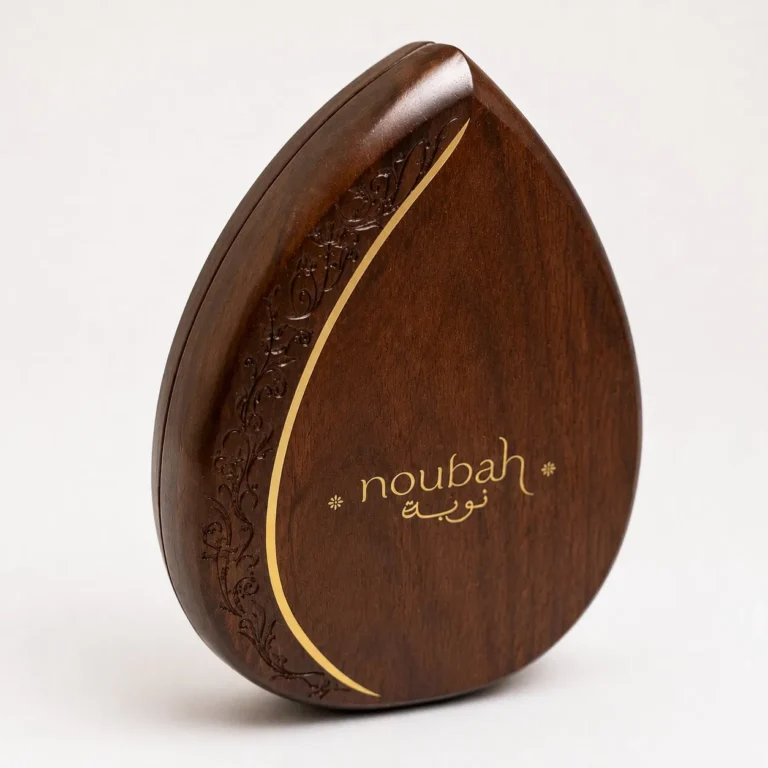
Before I choose a packaging manufacturer, I would ask for examples of similar projects. I would not only ask how many years the company has been in business. I would ask whether the company has produced packaging with a similar bottle shape, similar box structure, similar insert, or similar finishing requirements. Experience becomes more useful when it relates to the actual project. A manufacturer that has produced luxury perfume boxes, rigid presentation boxes, wooden packaging, or other high-end product boxes may understand the structural and finishing requirements better than a supplier that mainly produces standard cartons. I would also ask whether the manufacturer can show physical samples or detailed project photos. Real examples give me more useful information than a general claim about experience.
Can the Box Be Customized Around My Bottle Dimensions?
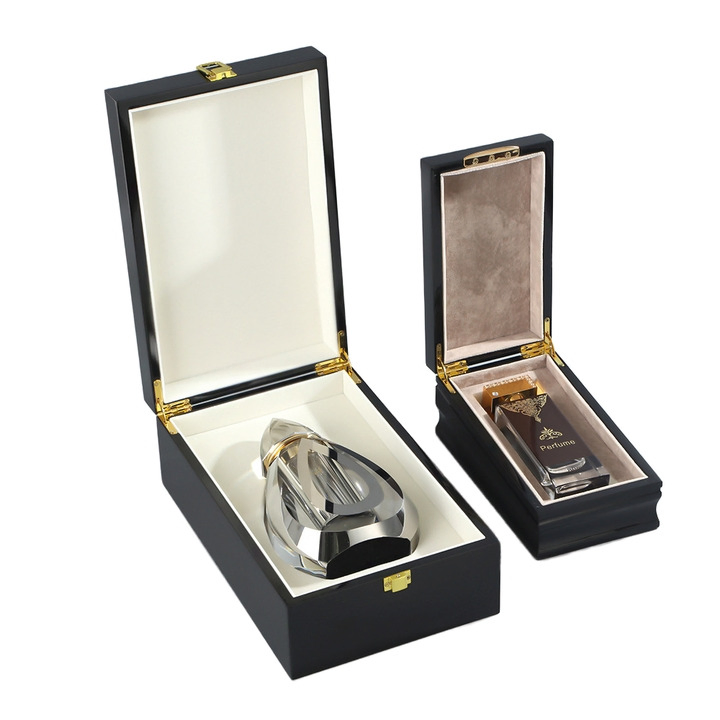
I consider bottle dimensions one of the first technical questions in a custom perfume packaging project. I need to know the bottle height, width, depth, base shape, cap dimensions, and other areas that affect the internal space. I also need to know how the bottle will be positioned when the box is closed. A small clearance may make the product difficult to remove. Too much clearance may allow the bottle to move during handling or shipping. The external box size also needs to provide enough space for the internal insert without making the package unnecessarily large. When I develop a box like the one shown here, I treat the bottle as the starting point of the structure. I do not treat the box as a fixed container that the product must simply fit into.
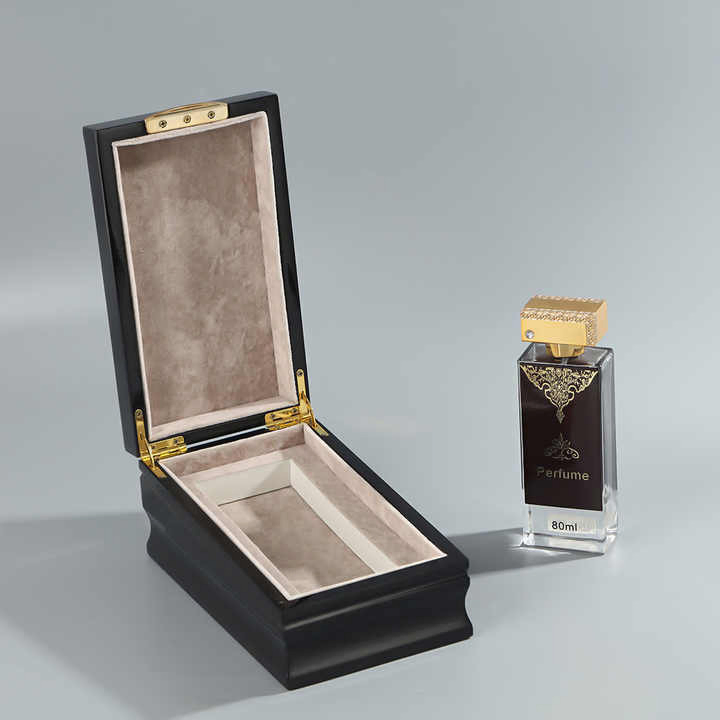
How Will You Design the Custom Insert?
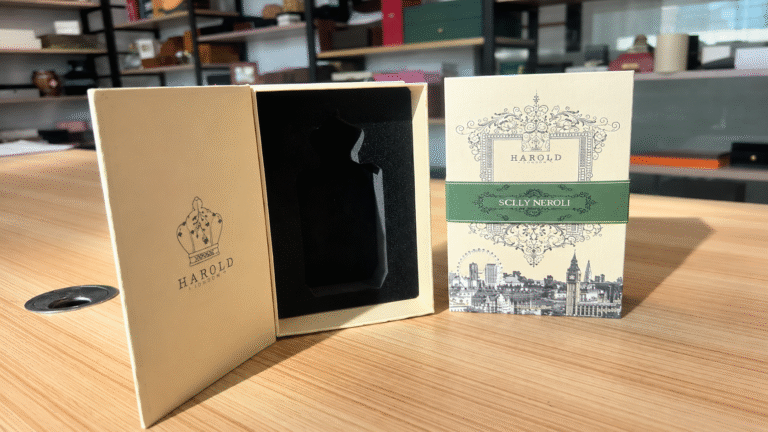
The custom insert deserves a separate discussion because I see it as one of the most important parts of premium perfume packaging. The insert controls how the bottle sits inside the box. It can reduce unnecessary movement, protect vulnerable areas, and create a clean presentation when the lid opens. I would ask the manufacturer what material will be used, how the cavity will be developed, how much clearance will be allowed, and how the insert will be secured inside the box. I would also ask whether the manufacturer can modify the insert after the first sample. A good insert should hold the bottle firmly without making removal difficult. It should also look intentional when the customer opens the box. In my view, protection and presentation should be developed as one system.
What Materials, Hardware, and Finishes Can You Provide?
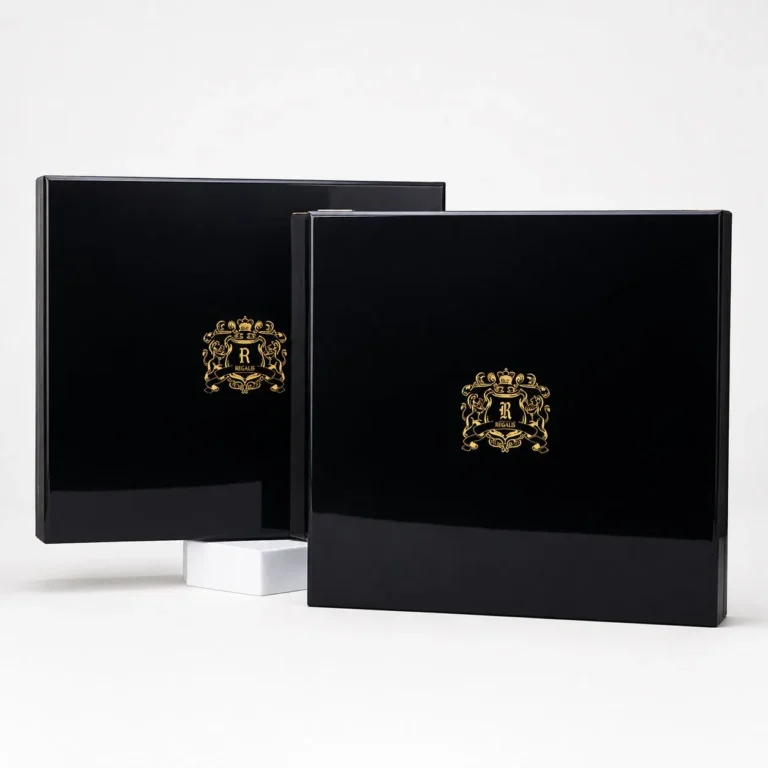
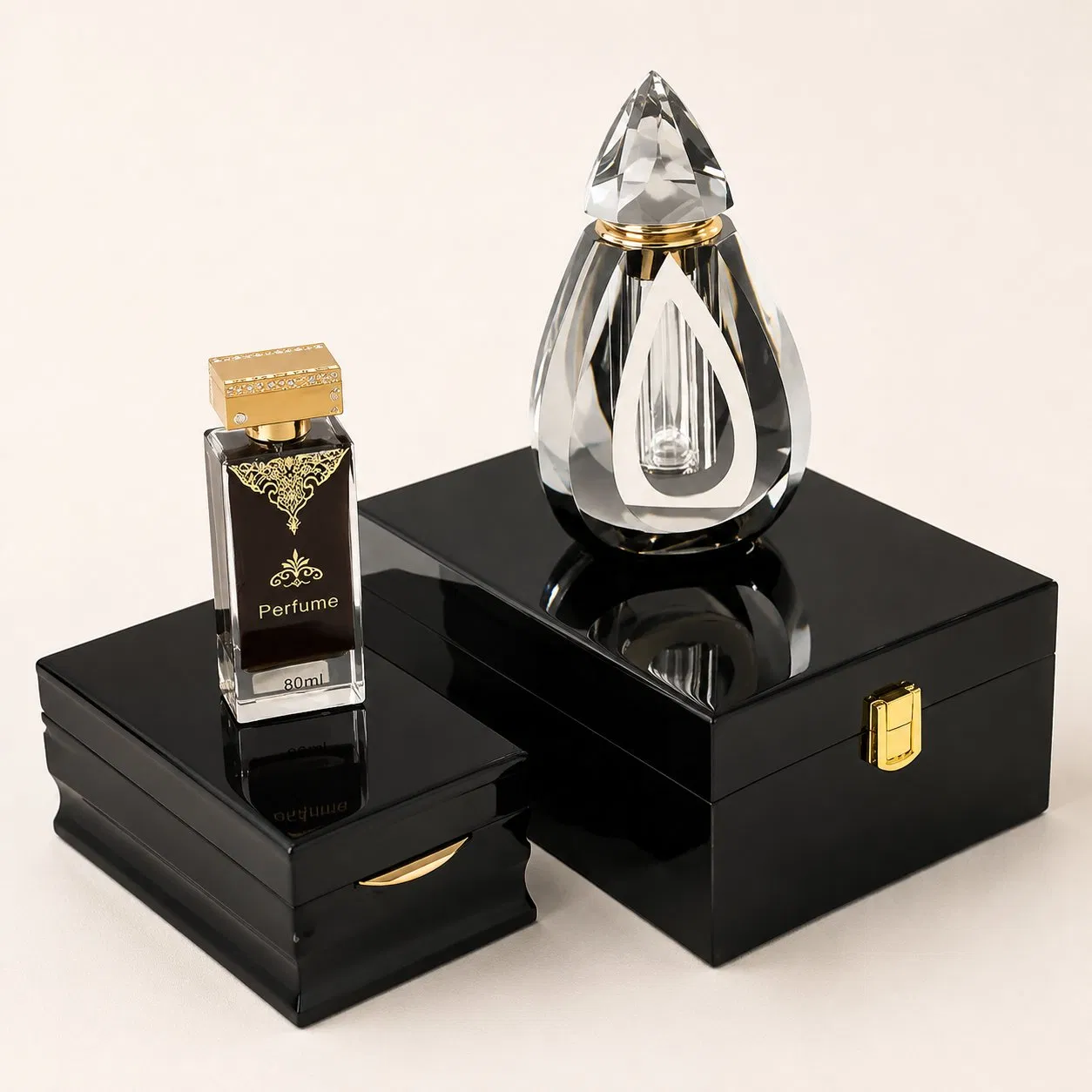
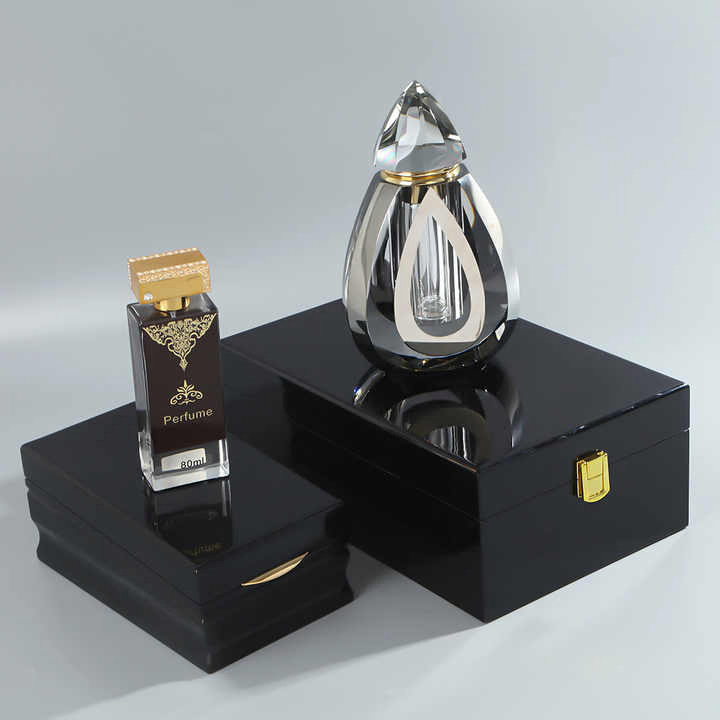
I would also ask the manufacturer to specify every major material and finish before I compare quotations. The outer structure can use different material combinations, while the interior can use different fabrics, paper, foam, EVA, or other insert materials depending on the project. Hardware also changes the character of the package. The black box shown in this project uses gold-colored hardware, which creates a strong contrast with the dark exterior. A brand may instead need silver, antique metal, or another finish. Surface treatment can also include embossing, hot stamping, printing, coating, or other decorative effects. I would ask for the exact specification instead of accepting a general phrase such as “premium material.” Clear specifications make later quality checks much easier.
Before Approving the Sample: How Can You Verify the Quality of a Custom Perfume Box?
I always consider the physical sample an important stage in a custom packaging project. A digital drawing can show dimensions and a rendering can show the general appearance, but neither one can fully show how the finished box feels in the hand. A physical sample allows me to check the structure, opening movement, insert fit, surface finish, hardware, and product positioning at the same time. This stage also gives the buyer a chance to correct problems before mass production. For a high-value perfume product, I believe this step is much safer than approving a large order based only on photographs or digital files.
Can I Approve a Physical Sample Before Mass Production?
Before placing a bulk order, I would ask for a physical pre-production sample. I would use the actual bottle, or a product with the same dimensions and weight, to test the packaging. I would check whether the bottle sits correctly in the insert. I would open and close the box several times. I would inspect the hinges, closure, edges, corners, surface, and logo position. I would also look at the box from different angles because some defects are not obvious in product photos. If the sample needs changes, I would record those changes clearly. The final approved sample should become a reference for mass production. This process reduces the risk of receiving a bulk shipment that looks different from what I originally approved.
Does the Perfume Bottle Fit the Insert Correctly?
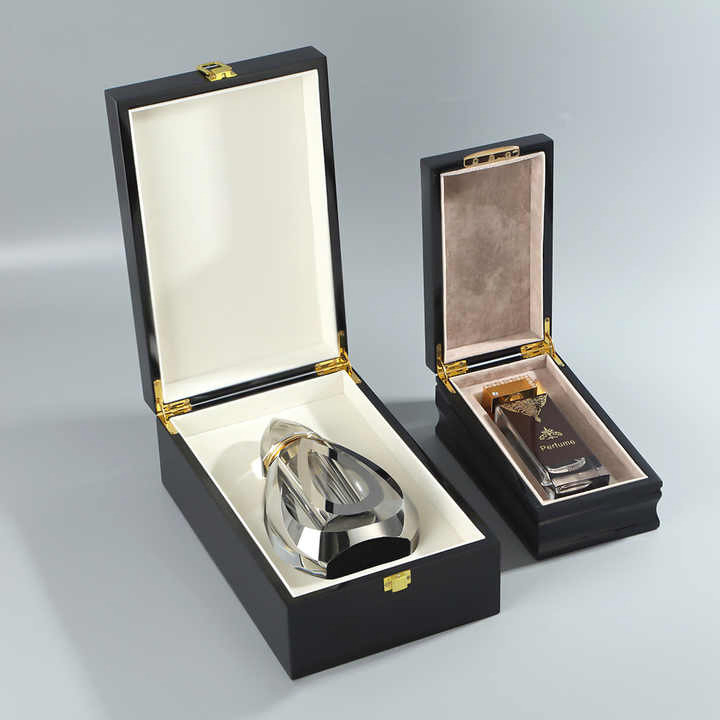
I would pay special attention to the relationship between the bottle and the insert. A premium perfume bottle should not move freely inside the box. At the same time, the insert should not grip the bottle so tightly that the customer struggles to remove it. I would check the contact points and the visible gaps around the product. I would also check whether the cap or other upper parts can touch the lid when the box is closed. The same check matters for unusual or oversized fragrance products. The two different product configurations shown in this project demonstrate why one standard internal layout may not be suitable for every bottle. A custom insert allows the packaging to respond to the actual dimensions and shape of the product.
Are the Details Consistent With the Approved Design?
I would inspect more than the general appearance of the sample. I would check whether the box edges align correctly and whether the corners are clean. I would check the installation of the hardware and the movement of the hinges or closure. I would check whether the logo has the correct position, size, and finish. I would also compare the actual surface with the agreed specification. If the design uses black and gold, I would check the consistency of both elements instead of judging them only from memory. I would keep approved reference samples, color references, artwork files, and structural drawings together. These references give the production team a clear target. They also give the buyer a stronger basis for discussing any difference during mass production.
How Will the Manufacturer Keep Mass Production Consistent With the Sample?
This is one of the questions I would never skip. A good prototype does not automatically prove that a manufacturer can reproduce the same quality thousands of times. I would ask how the manufacturer controls dimensions, materials, hardware, surface finishes, printing, assembly, and inserts during production. I would also ask whether the approved sample is retained as a production reference. At DianYa Packaging, I see the sample as a communication tool between the design requirement and the production stage. A clear sequence can be built around the approved version: design confirmation, sample production, revision, final approval, mass production, inspection, and delivery. This sequence gives both sides a clear reference and reduces avoidable changes after production starts.
Before Placing the Bulk Order: What Should You Confirm About Cost, MOQ, QC, and Delivery?
Once the design and sample are approved, I would move to the commercial and production questions. This stage is important because the lowest unit price does not always represent the lowest total cost. Two manufacturers can quote different prices for boxes that appear similar but have different materials, inserts, hardware, finishes, or packaging methods. I would compare the full specification before comparing the unit price. I would also confirm the minimum order quantity, production schedule, inspection process, and delivery plan. A B2B packaging project involves more than producing a box. The manufacturer needs to deliver the agreed specification at the agreed quantity and time.
What Is Included in the Quoted Price?
I would ask the manufacturer to provide a detailed quotation. I would confirm whether the price includes the outer box, custom insert, hardware, logo treatment, surface finishing, sampling, tooling, individual protection, carton packing, and other agreed items. I would also ask whether any setup or development costs are charged separately. This detail matters because a lower initial quote can become more expensive when required components are added later. For example, if one supplier includes a custom insert and another supplier quotes the insert separately, the two unit prices are not directly comparable. I believe a fair B2B comparison should compare the same specifications, the same quantity, and the same quality requirements.
What Are the MOQ and Realistic Production Capacity?
I would ask two different questions about quantity. The first question is, “What is your MOQ?” The second question is, “What quantity can you produce consistently?” MOQ tells me the minimum order the manufacturer accepts. Production capacity tells me whether the supplier can support my actual business plan. A perfume brand may start with a smaller launch order and later increase its volume. The manufacturer should be able to explain how production changes with different quantities. I would also ask whether the supplier can handle repeat orders with the same specifications. For a brand that expects long-term sales, repeat-order consistency can be more important than a low MOQ on the first order.
What Quality Checks Are Used During Mass Production?
I would ask for a clear quality control process instead of accepting a general statement such as “We have strict QC.” The process should cover the points that matter to the actual box. These points can include material condition, dimensions, insert fit, hardware installation, logo placement, surface finish, structural assembly, and final appearance. For projects that use formal sampling procedures, the buyer and manufacturer can also discuss recognized inspection methods and acceptance criteria. I would agree on the inspection requirements before mass production begins. I would also define which defects are acceptable and which defects require correction. Clear criteria make quality discussions more objective and reduce disagreements after production.
How Will the Finished Boxes Be Protected During Shipping?
I would not consider quality control complete when the box leaves the production line. The finished boxes still need to reach the buyer in good condition. I would ask how the boxes will be individually protected, how many units will be packed into each carton, and how the cartons will be protected during handling. This question becomes more important for rigid, wooden, or hardware-equipped luxury boxes because these products can be heavier and more sensitive to surface damage than basic folding cartons. I would also confirm the shipping marks and carton information before dispatch. A manufacturer can produce an excellent box, but poor packing can still create avoidable damage during transportation. I believe the delivery condition should be treated as part of the packaging quality.
What Is the Complete Lead Time?
I would ask for more than one production date. A custom packaging project normally has several stages, and each stage affects the final delivery date. I would confirm the sample development time, revision time, approval deadline, production time, inspection time, packing time, and shipping schedule. I would also ask when changes can no longer be accepted without affecting the schedule. This information helps a brand coordinate its own perfume production, marketing launch, and inventory planning. I prefer a clear production timeline because it gives both the buyer and manufacturer the same understanding of the project. A realistic schedule is more useful than a short promise that does not explain the actual production stages.
Conclusion: The Right Questions Can Prevent Expensive Packaging Mistakes
When I evaluate a custom perfume box manufacturer, I do not look at the box alone. I look at the entire process behind the box. I want to know whether the manufacturer understands my product, whether the box can be developed around my bottle, whether the insert can provide the right support, and whether the materials and finishes can match the approved design. I also want to know how the manufacturer handles sampling, revisions, mass production, quality inspection, packing, and delivery.
I believe the right questions can prevent costly packaging problems before they happen. At DianYa Packaging, we develop custom packaging around each product and brand requirement, as shown by the black and gold perfume presentation box featured in this article. From custom inserts and materials to hardware, production, and quality control, we focus on turning ideas into reliable packaging solutions. Our company motto is simple: “Customer satisfaction is our consistent purpose,” and this principle guides our design, production, quality, and long-term B2B cooperation.
Before you place your next custom perfume packaging order, ask the questions first. The answers can tell you far more about a manufacturer than a product photo ever can.