Back in 1879, Thomas Edison developed the first commercial grade carbon fiber for use in the earliest incandescent light bulbs.
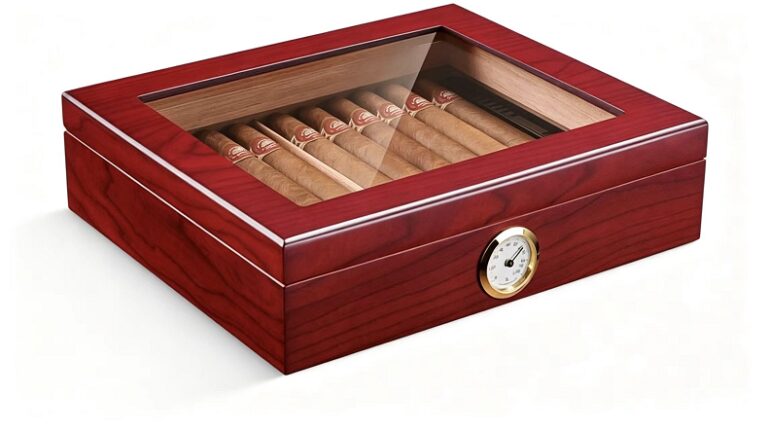
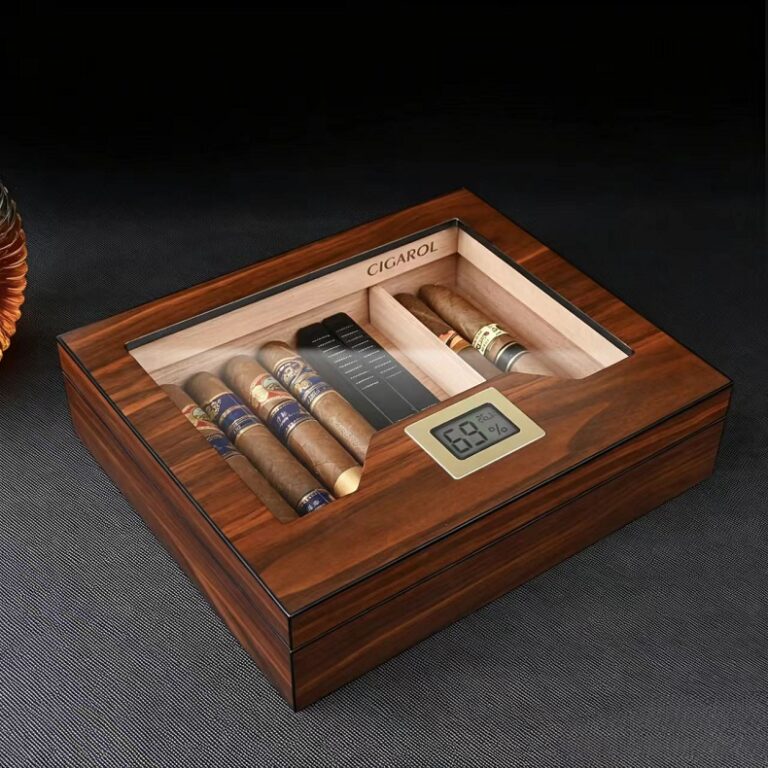
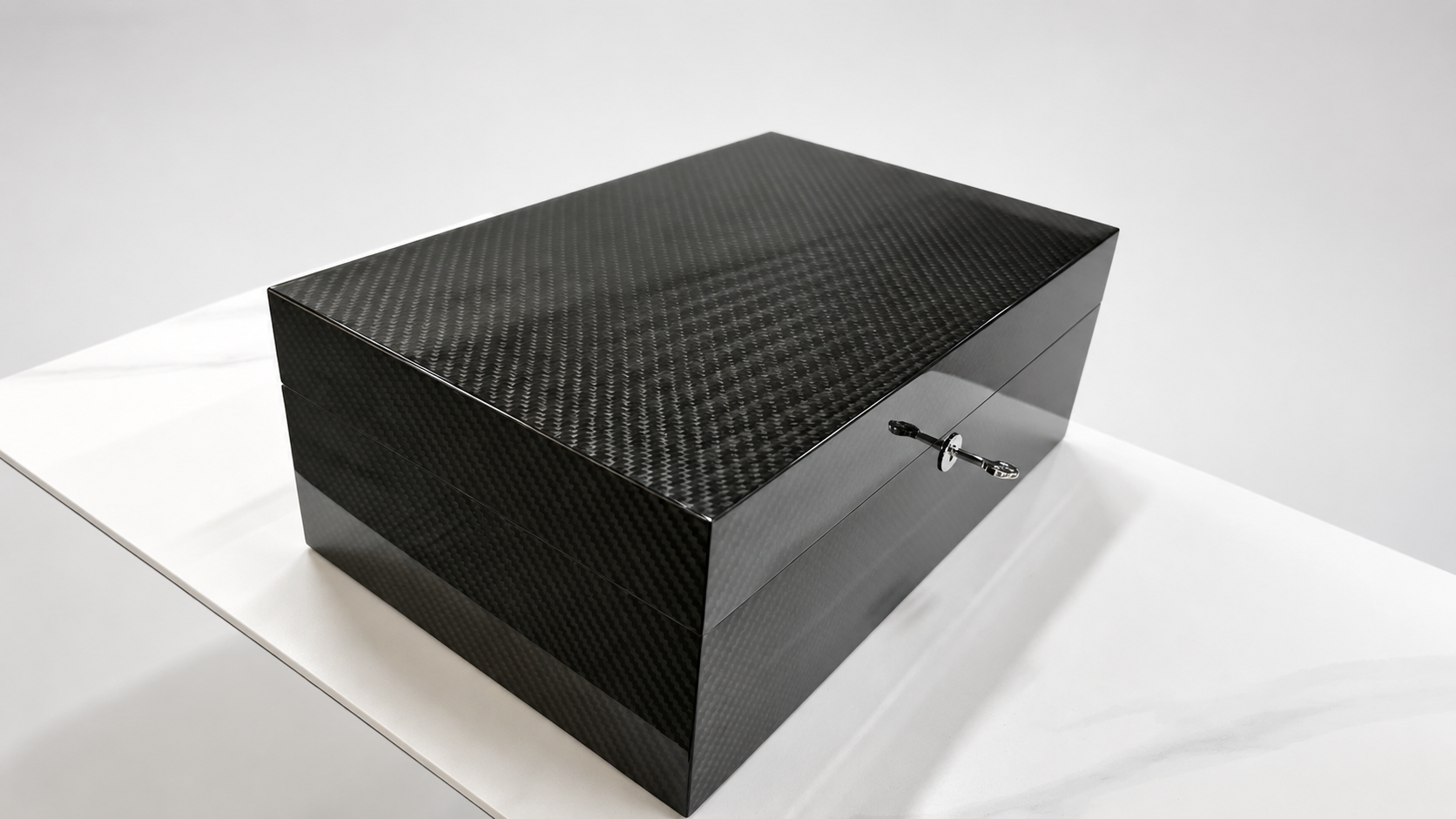
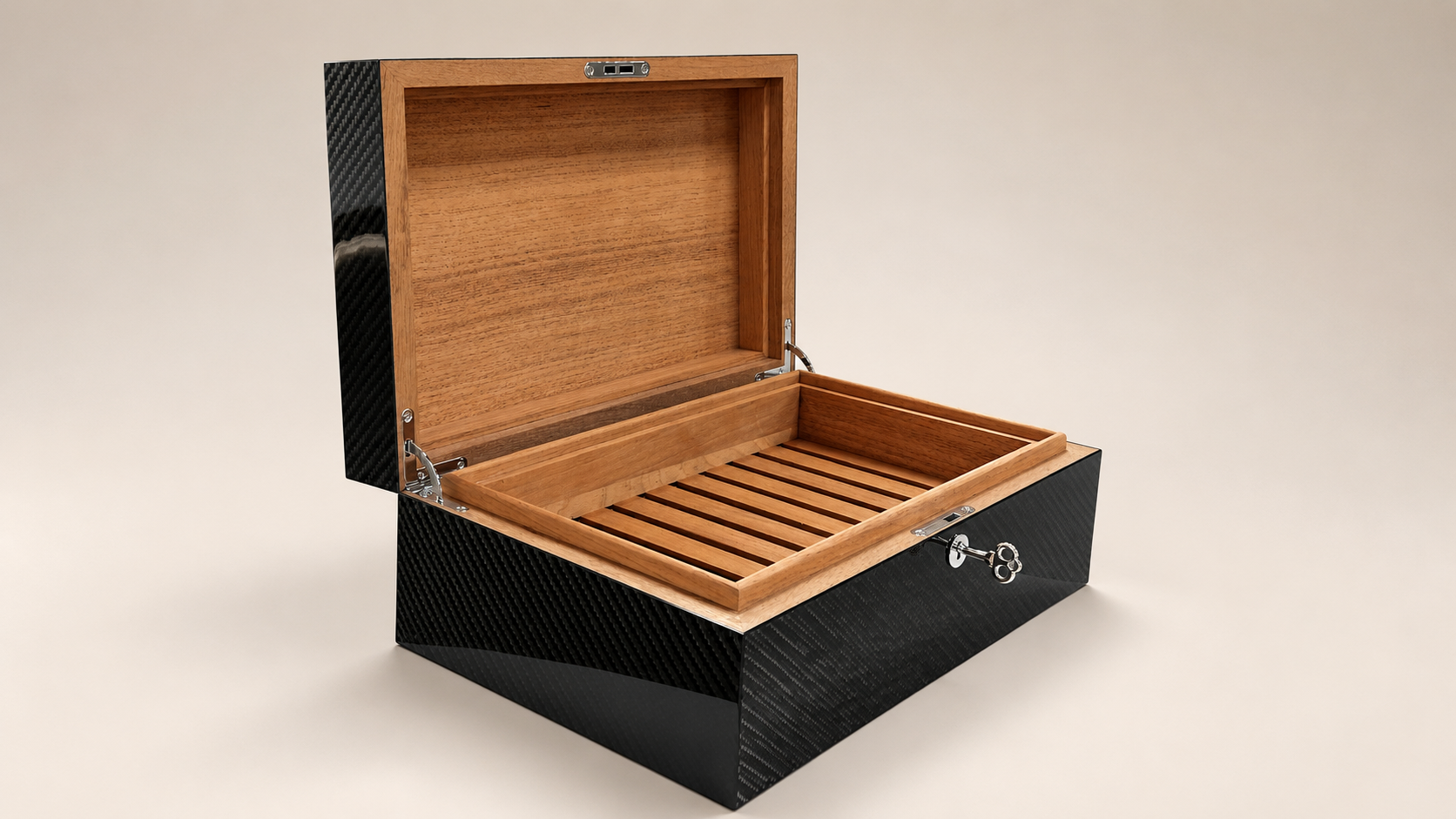
Carbon fiber first found large-scale use in industrial sectors such as aerospace, automotive manufacturing and sports equipment production. Today, valued for its durability and light weight, it has moved into luxury packaging. Carbon fiber finished wooden gift boxes have won great popularity among consumers.
These outstanding performance benefits, however, come at a high price, making carbon fiber one of the world’s most costly materials. This article gives an in‑depth introduction to carbon fiber material and walks you through the production process of carbon fiber wooden boxes.
What Is Carbon Fiber?
Carbon fiber is a special fiber composed of carbon elements. Its carbon content varies with different raw materials. Fibers with carbon content above 90% are defined as high strength carbon fiber, while those below 90% are high elongation carbon fiber. This fiber features outstanding properties including light weight, high strength, corrosion resistance, electrical conductivity and thermal conductivity. Due to its complex manufacturing process, carbon fiber comes with a relatively high cost.
The high manufacturing cost of carbon fiber mainly stems from its raw material requirements: high purity pitch, wood pulp and other feedstocks are mandatory for production. Besides, heavy investment in production equipment and product process R&D further drives up costs. Every finished carbon fiber composite strand must go through strict quality inspection. In addition, insufficient market supply also contributes to its high cost; supply shortage pushes up the price to a certain extent.
Therefore, as a high‑performance material, carbon fiber commands a relatively high price because of its complicated manufacturing procedures and raw material scarcity.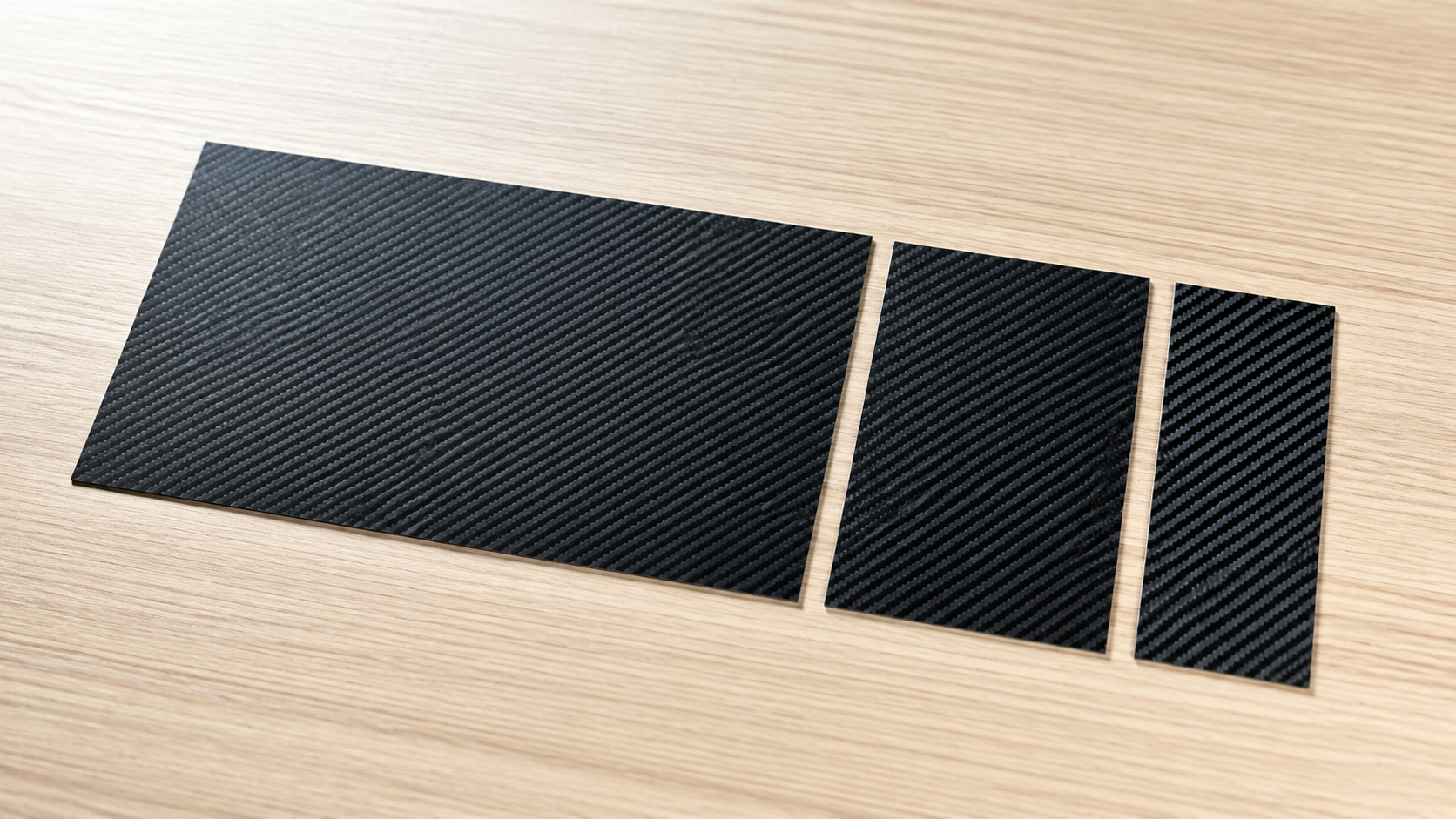
Production Process of Carbon Fiber Wooden Boxes
The manufacturing process of carbon fiber wooden boxes is highly complex. Unlike leather or wood veneer, carbon fiber is hard and rigid and cannot be bonded directly to substrates. Before lamination, the carbon fiber material must go through coarse sanding to open up its surface pores for better adhesion.
After sanding, special formula adhesive is required to bond carbon fiber onto the MDF box base. Ordinary glue is not compatible and risks delamination, making the proper adhesive a critical quality point. Once fully cured, the boxes proceed to painting and multi step polishing with strict inspection against bubbles, edge lifting and surface defects.
When all procedures are finished, carbon fiber is firmly integrated with the wooden substrate. The finished boxes combine solid wood box structure with the distinctive fine texture of carbon fiber, delivering a premium and high end visual effect.
Conclusion
Carbon fiber wooden boxes stand out in luxury packaging thanks to the unique physical properties of carbon fiber and sophisticated hand on manufacturing steps.
Its high cost comes not only from the raw material itself, but also from the tricky lamination, painting and polishing work required for wooden box production.
If you are looking for custom premium gift boxes with carbon fiber finish, our team can support your project with professional technical advice and customized solutions. Feel free to get in touch with us for further details.
Explore custom carbon fiber wooden packaging from Dinya Packaging