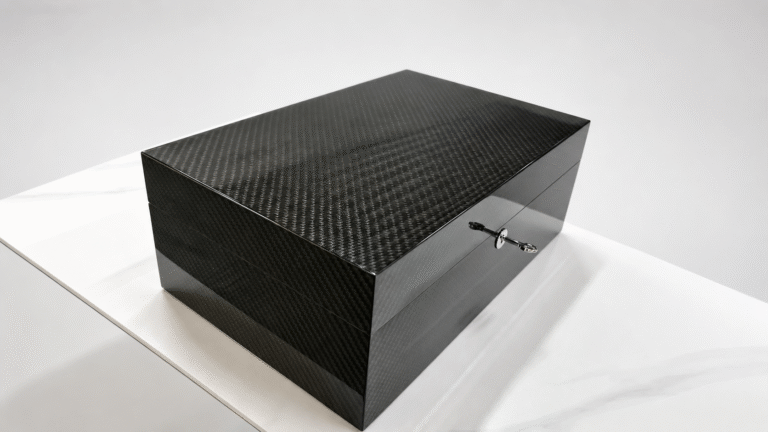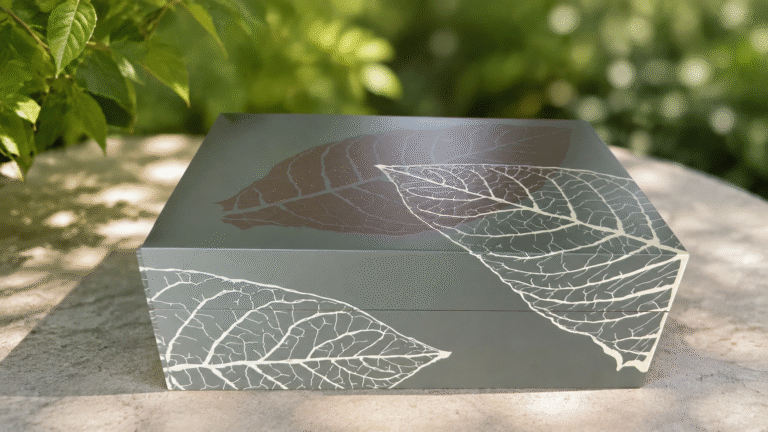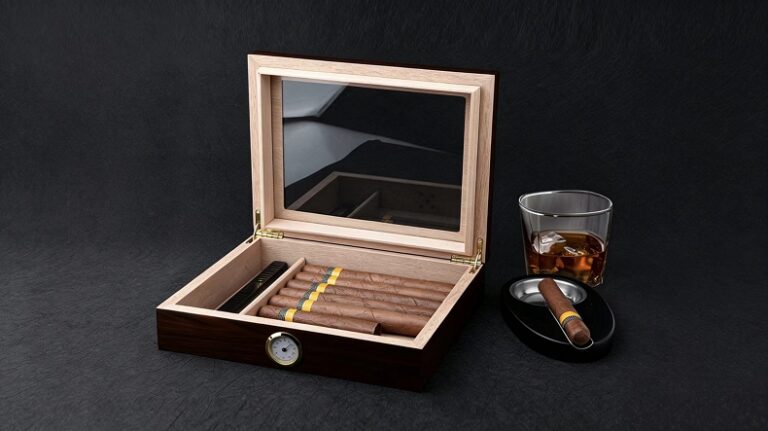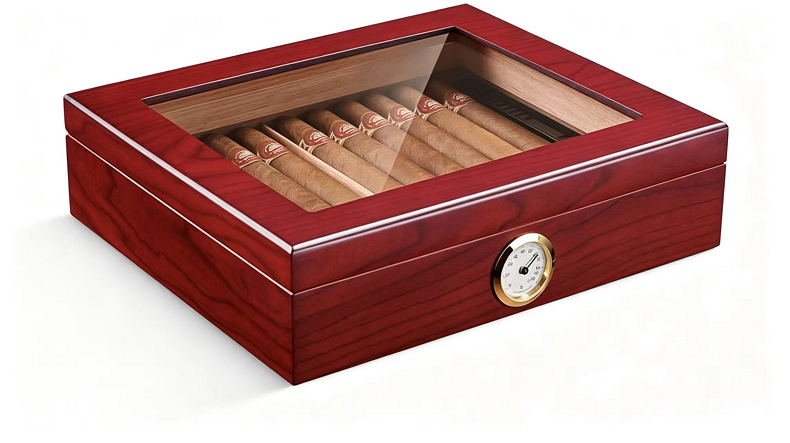
Lots of cigar boxes perform differently based entirely on the timber chosen for production. How well cigars hold moisture and retain their original flavor all comes down to this core material choice.
Spanish cedar is expensive because it is rare, stable, and naturally regulates humidity while enhancing cigar aroma. It is also harder to source and process compared with common woods like Okoume.
What Is Spanish Cedar?
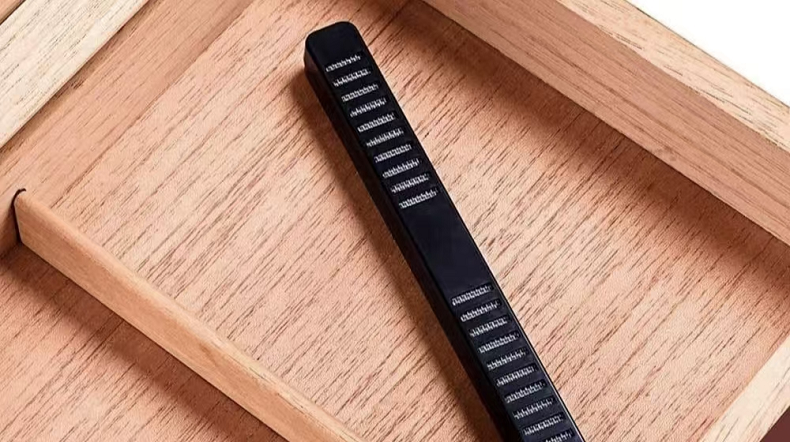
I often explain this wood to my clients first. Spanish cedar is not a true cedar. It comes from a tropical tree in the cedar family group. It is widely used inside cigar humidors. I work with tons of B2B buyers in the luxury gift box space, and premium cigar projects almost always rely on this material.
This wood has a soft red tone and a natural scent. When a box is opened, the smell is light and sweet. It is not strong like perfume. It is smooth and stable.
Spanish cedar also has a technical role. It reacts slowly to air humidity. If the surrounding air gets damp, it soaks up excess moisture. When the air dries out, it slowly releases stored moisture back out. This unique trait is why it’s irreplaceable for long-term cigar storage.
Why Use Spanish Cedar in Humidors?
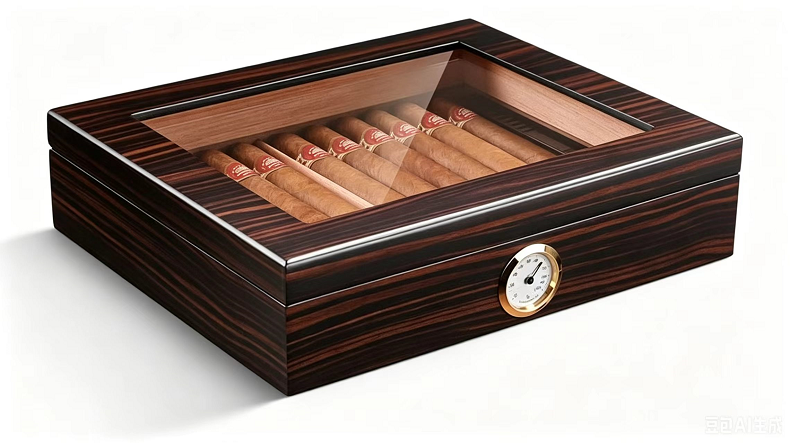
I always tell my clients that cigars are living products. They change with time and environment. Spanish cedar supports this process. It helps cigars age in a stable way.
First off, it maintains ideal humidity levels, roughly 65% to 70%, no electric equipment required.
Second, it also improves flavor. The wood holds mild natural oils that give off a subtle scent. The wood holds mild natural oils that give off a subtle scent.Over time, cigars inside the box absorb this scent. The final taste becomes smoother. I have seen clients return for second orders just because of this aging effect.
On top of that, it also prevents insects. The natural compounds in Spanish cedar are not friendly to pests especially cigar beetle, so it’s a safe pick for storing cigars over many months or years.
What Is the Difference Between Other Woods and Spanish Cedar?
Okoune is another commonly used material for cigar boxes. It is also called a mahogany substitute wood.
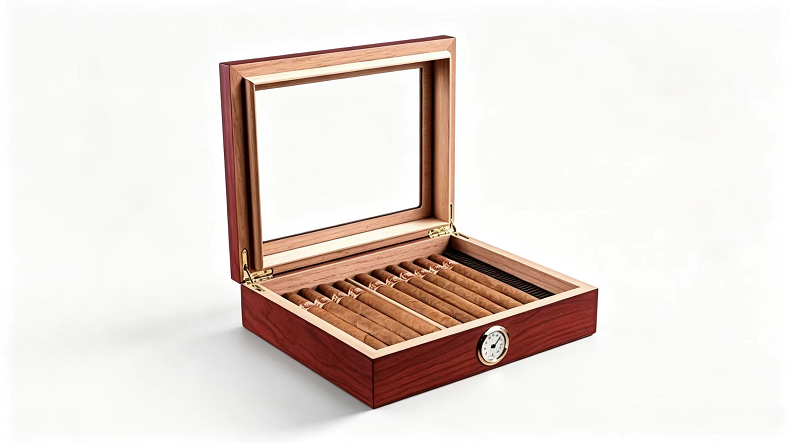
Many clients compare Spanish cedar with Okoume wood. Okoume is very common in mass production as it readily accepts stains and lacquers, enabling the creation of exquisite gift box finishes. And it is much cheaper than cedar, with a price difference of five times or more.
Spanish cedar is a totally different story when it comes to cost. Premium grades can run over 20,000 RMB per square meter, while Okoume only costs around 4,000 to 5,000 RMB. This gap changes product strategy completely.
Hybrid structures is also a widely adopted matching solution. Okoume for the exterior shell, Spanish cedar for the inner lining. The outer layer is easy to paint and polish. It can achieve piano lacquer finishes. The inner layer is in direct contact with cigars. It handles humidity control and aroma protection.
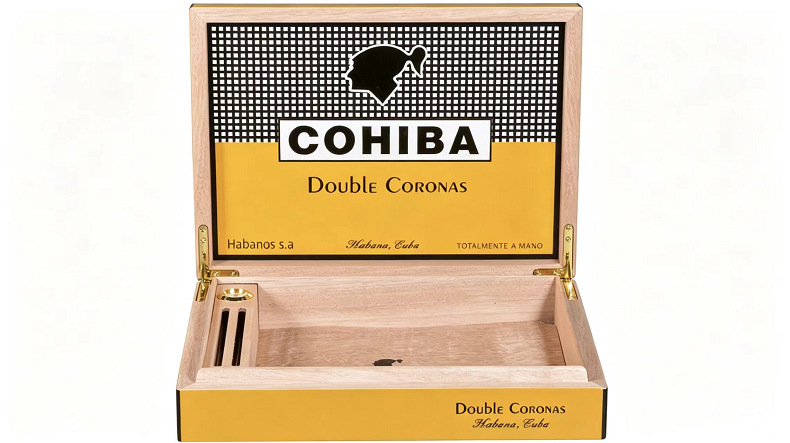
At Dianya Packaging, I noticed our clients choose based on scale and budget. Large orders often focus on cost. Small luxury brands focus on experience. I once had a customer revise their samples three times. They started with Spanish-sourced cedar, then tried South African cedar, all in search of the best cedar. It really goes to show how much the material you select shapes the overall quality of the finished box.
Conclusion