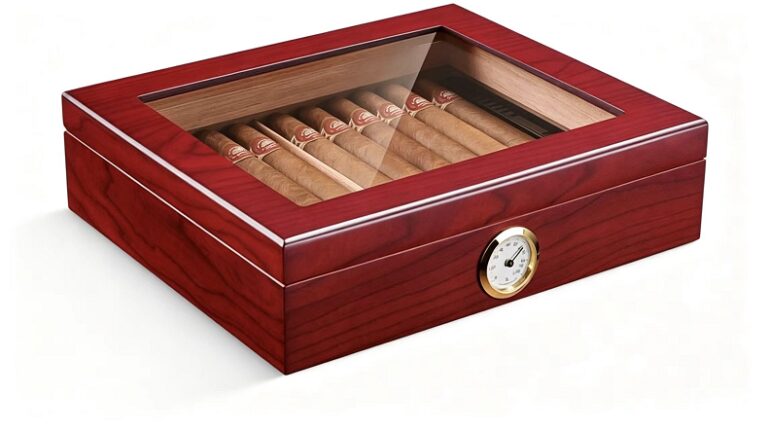
A cigar box can look premium and still fail in real use. I often see buyers focus on color and finish first, then find that the wood itself changes storage value, aroma, and cost.
Cedar is usually better for long-term cigar storage because it helps buffer humidity, adds a natural aroma, and supports a more traditional cigar experience. Okoume is useful when I need lighter weight, easier machining, lower cost, and flexible decorative packaging performance.
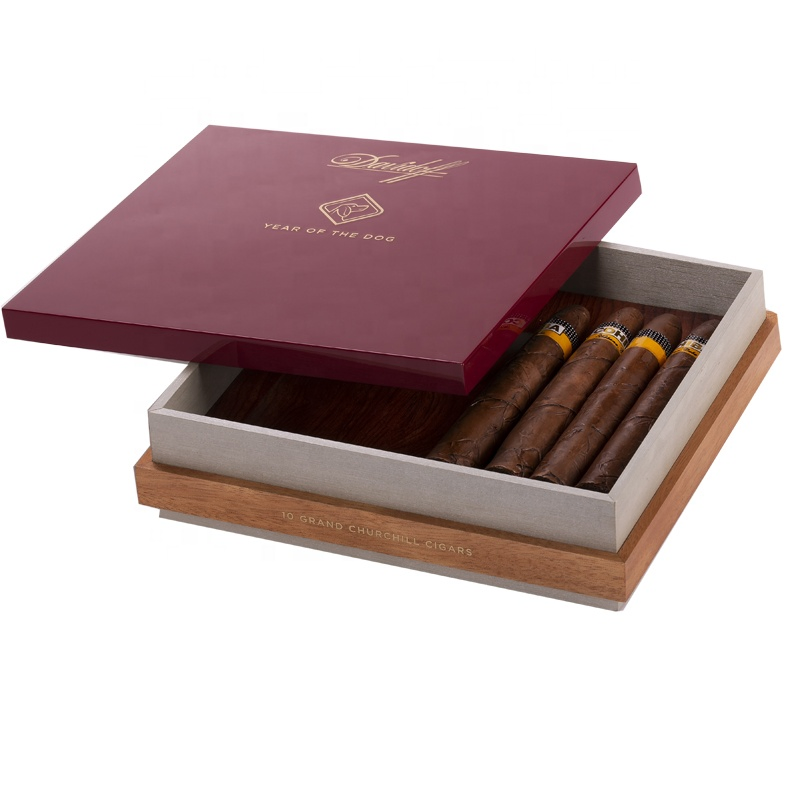
Which is better for a cigar box? This question is not only about wood species. It is really about what the box needs to do. Some boxes are made for storage. Some are made for gifting. Some are made for branding and large-volume sales. That is why I always compare wood by function, not only by appearance.
What makes cedar a classic choice for cigar boxes?
A cigar box may look elegant and still do a poor job after a few months. I have seen this happen when the inside material could not support the cigars in a stable way.
Cedar is a classic choice because it can help soften humidity changes, release a familiar woody aroma, and offer natural properties that cigar users connect with long-term storage and premium quality.
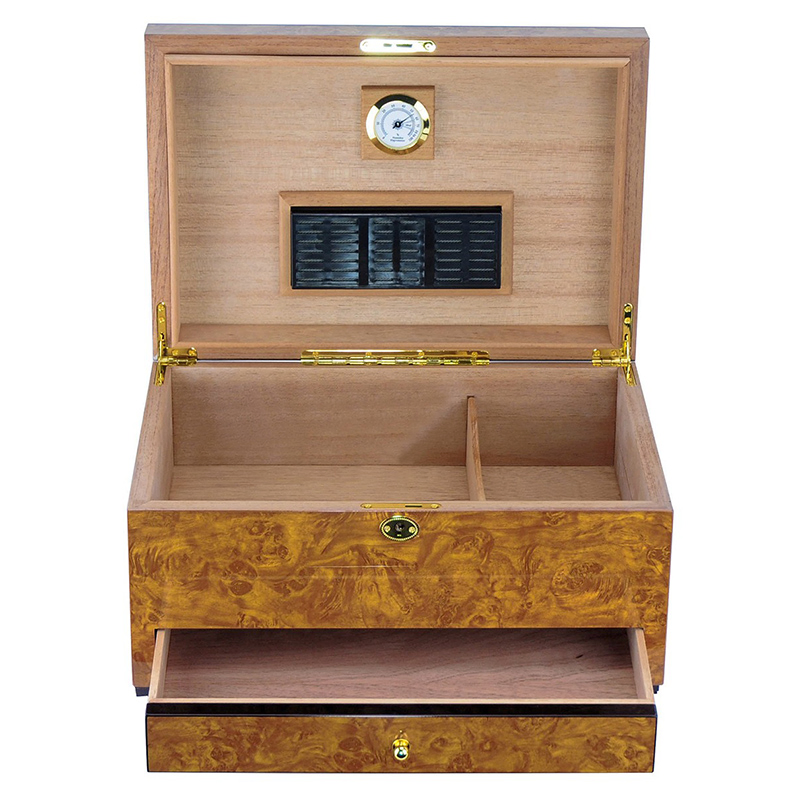
Cigars react to moisture very easily. If the internal condition changes too fast, the wrapper can dry out or become too damp. The burn can become uneven. The flavor can also lose balance. This is why cedar is so often linked to cigar storage.
One important function of cedar is natural humidity control. Its porous structure allows it to absorb excess moisture and release it back when conditions become dry. This helps keep the humidity inside a cigar box more stable, usually within the ideal 68% to 75% range for cigar storage.
Another important function is aroma. Cedar gives off a light natural scent that many cigar users expect and value. This scent does not only make the box smell pleasant. It can also help remove unwanted tobacco odors and promote the aging of cigars, allowing the flavor to become smoother and more balanced over time. For many users, this aroma is part of the full cigar ritual and product identity.
I also value cedar for its natural insect-resistant properties. Its scent can help drive away tobacco beetles and other pests, which gives cedar a clear advantage in cigar storage. Many buyers trust cedar for this reason, especially in premium projects where protection, storage performance, and long-term value are important.
| Function | Cedar Performance | Why It Matters |
|---|---|---|
| Humidity buffering | Strong | Helps soften fast moisture changes |
| Natural aroma | Strong | Adds a classic cigar-box scent |
| Insect resistance image | Good | Supports trust in long-term storage |
| Premium perception | Strong | Matches traditional cigar culture |
From my experience, cedar does more than hold cigars. It supports the whole story of the product. It helps the box feel more authentic. It helps the buyer explain the value. It also helps the final customer feel that the cigars are stored in a proper way. So when the goal is storage, tradition, and user experience, cedar often remains the safer and stronger choice.
Can okoume be used for cigar boxes in a practical way?
Some people think okoume should never be used for cigar boxes. I think that view is too simple, because not every cigar box is meant to work like a humidor.
Okoume can be a practical material for cigar boxes when I need light weight, easier cutting and shaping, smoother mass production, and a box that serves more as premium packaging than as a long-term storage tool.
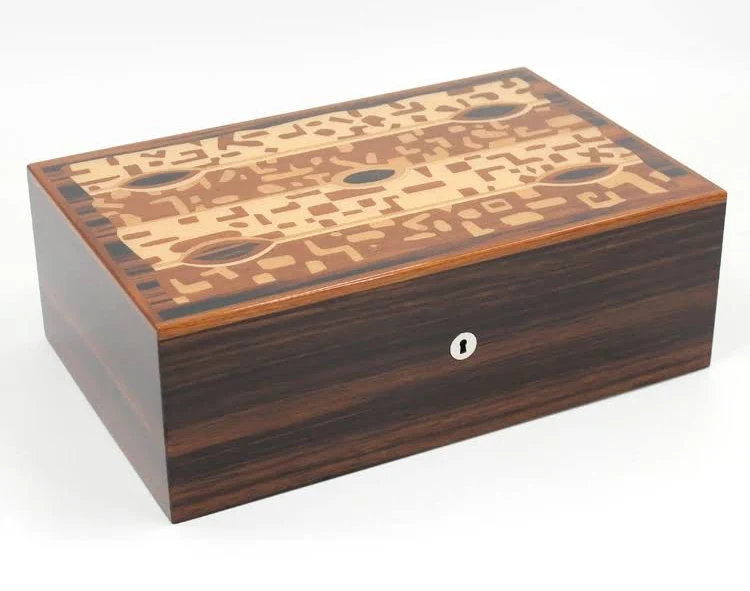
In factory work, I often see buyers who want a beautiful cigar box for launches, gifts, or retail display. In these cases, the box may protect the cigars, present the brand well, and create a luxury look, but it may not be expected to store cigars for a long time. This is where okoume can make sense.
One clear function of okoume is weight reduction. A lighter wood can help when shipping cost matters or when the customer wants a box that feels easier to carry and handle. Another function is machining efficiency. Okoume is usually easier to cut, shape, and assemble in production. This helps me improve output speed and control manufacturing cost.
Okoume is also useful for decorative flexibility. It can work well with paint, veneer, wrap, and other surface finishes. That means I can use it to create many looks for different markets. For brand projects, this matters a lot because the buyer may care more about shelf impact than long-term aging performance.
| Function | Okoume Performance | Why It Matters |
|---|---|---|
| Light weight | Strong | Helps transport and handling |
| Easy machining | Strong | Supports faster and smoother production |
| Cost control | Good | Better for large-volume projects |
| Surface finishing flexibility | Strong | Good for paint, veneer, and decoration |
I do not present okoume as a full replacement for cedar in storage-focused boxes. That would not be accurate. But I do see real value in okoume when the main job of the box is packaging, branding, and efficient production. In that kind of project, okoume can be a smart and practical choice.
How should I choose between okoume and cedar for different cigar box projects?
Many buyers do not struggle with understanding the two woods. They struggle with deciding which one fits their project better. In my work, the real question is often not which wood is better in general, but which wood makes more sense for the product target.
The best choice depends on how the cigar box will be used, how the brand wants to position it, and how much pressure the project has on cost, shipping, and production scale.
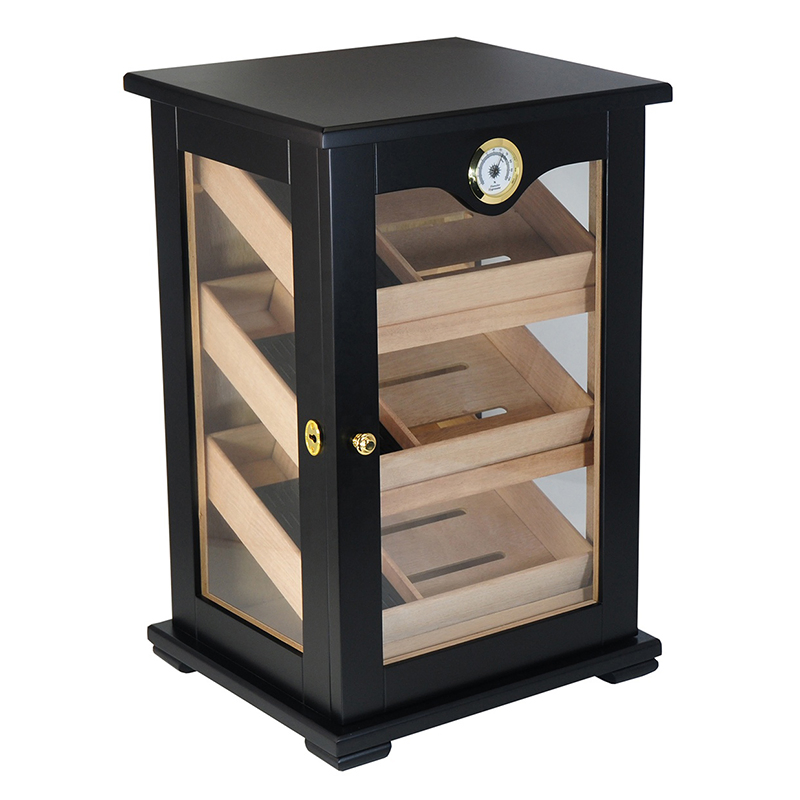
When I help clients choose between okoume and cedar, I usually stop talking about material in a general way and start talking about project goals. A luxury collector box, a retail gift box, and a large-volume promotional box do not need the same material logic. This is where many buyers save time and avoid costly mistakes.
If the project is aimed at collectors or serious cigar users, I usually guide the client toward cedar or cedar lining. In that case, the box is not only packaging. It becomes part of the cigar experience, so the material must support that expectation. If the project is for gifting, retail presentation, or seasonal brand campaigns, okoume often becomes more practical because it gives me more room in design, cost planning, and production speed.
I also find that mixed structures are often the most useful answer. In many custom projects, I may use okoume or another decorative material for the outer box, then use cedar inside where direct contact with cigars matters more. This approach helps balance presentation, function, and cost in a more flexible way.
| Project Type | Recommended Material | Main Reason |
|---|---|---|
| Collector or storage-focused box | Cedar or cedar lining | Better suited to premium storage expectations |
| Luxury presentation box | Cedar, or mixed structure | Stronger material story and premium feel |
| Retail gift box | Okoume or mixed structure | Better balance of appearance and cost |
| Large-volume custom order | Okoume | Easier to scale in production |
| Brand project with both display and function needs | Mixed structure | Combines outer design freedom with inner storage value |
From my point of view, the smartest choice is rarely based on one feature alone. I look at the box as a full product. I ask how it will be sold, how it will be used, and what kind of value the customer should feel when opening it. Once those answers are clear, the material choice usually becomes much easier.
Conclusion
I believe cedar is better for storage function and premium cigar experience, while okoume is better for weight, production efficiency, and cost control. The best choice depends on the real job of the box.