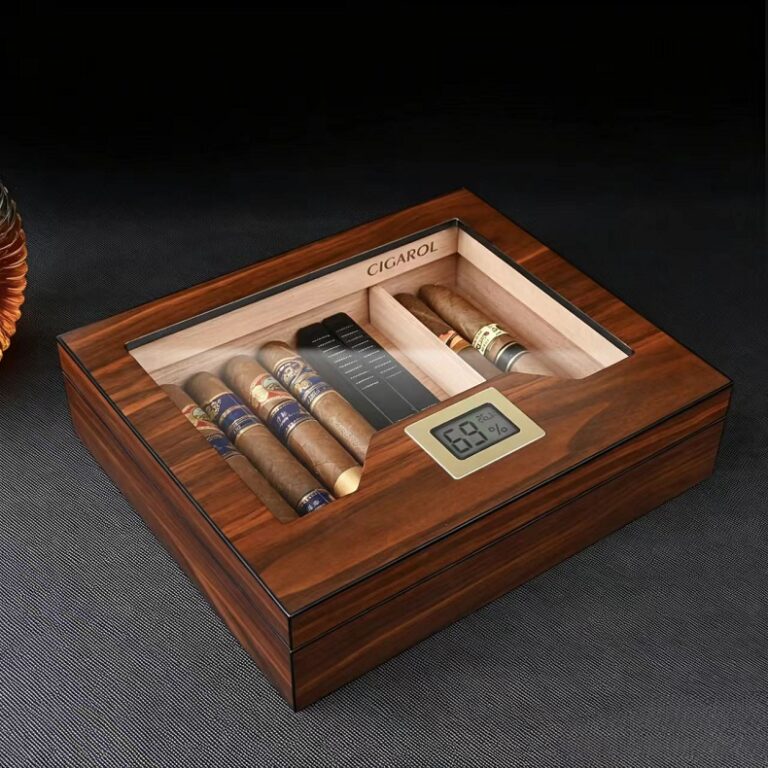
Cedar is better for cigar storage because it helps control humidity, adds natural aroma, reduces tobacco odor, and helps repel insects. Okoume is better for bulk production, lower cost, and decorative exterior finishes. Many brands use Okoume outside and cedar lining inside.
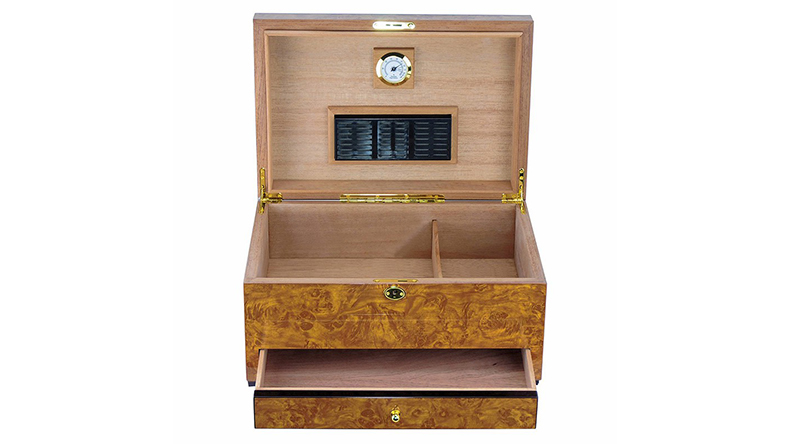
I have seen many cigar box projects start with a simple material question. The buyer asks whether cedar or Okoume is better. I do not answer too fast. I first ask how the box will be used. A cigar box for long-term collection needs a different structure from a cigar box made for retail display. A box for premium gifting also needs a different cost plan from a box made for wholesale volume.
In our work at Dianya, we serve high-end brands, wholesalers, and retailers in Europe, North America, and emerging premium markets. Many of our customers have large purchasing plans. They need design support, structure development, and stable mass production. For cigar boxes, the best wood is not always the most expensive wood. The best wood is the material that matches storage, brand image, finish, and budget at the same time.
What Is the Best Wood for Cigar Storage?
Cigars can lose value when the box cannot hold a stable inner condition. Poor wood choice can damage the whole user experience.
Cedar is usually the best wood for cigar storage. It helps balance humidity, gives a natural aroma, reduces heavy tobacco smell, and helps protect cigars from insects. For collectors, cedar is the stronger choice.
Why I Usually Recommend Cedar for Storage
I usually recommend cedar when the buyer cares most about cigar preservation. Cedar performs better than Okoume in humidity control. This matters because cigars are sensitive to moisture changes. A cigar can become dry, fragile, or harsh when the environment is too dry. A cigar can also develop quality problems when the environment is too damp. Cedar does not replace a full humidity system, but it supports a more suitable inner space. It also adds a clear wood aroma. This aroma can reduce the strong tobacco smell inside the box. It also gives the product a more classic cigar feeling. Many collectors like this detail because the opening moment becomes more refined. Cedar also has a natural insect-repelling feature. This is useful for tobacco products because insects can cause real damage. The weakness is cost. Cedar is more expensive than Okoume. So I often suggest using cedar where it matters most, especially inside the box.
| Factor | Cedar Performance | My View |
|---|---|---|
| Humidity control | Strong | Better for cigar preservation |
| Natural aroma | Clear wood scent | Improves the opening experience |
| Insect resistance | Helpful | Useful for tobacco storage |
| Cost | Higher | Best used for premium boxes or inner lining |
How Long Do Cigars Last in a Cedar Box?
A cedar box can still fail if the design is poor. Buyers often forget the seal, hardware, and humidity accessories.
Cigars can last a long time in a cedar box when humidity is controlled well. Cedar helps create a better storage environment, but the box also needs good sealing, a humidifier, and a hygrometer.
Why Storage Time Depends on the Whole Box
I do not like to promise a fixed storage time based only on cedar. Cedar is important, but it is not the only factor. A cigar box works as a small storage system. The wood, the lid, the seal, the inner layout, and the humidity tools all affect the result. Cedar lining gives cigars a better inner surface and a more suitable aroma environment. A good closing structure helps reduce fast humidity loss. A humidifier helps add moisture when the air is too dry. A hygrometer helps the user read the condition inside the box. The size of the box also matters. A box with too much empty space may be harder to control. A box with poor layout may not allow stable air movement. The user also affects storage. The box should stay away from strong sunlight, high heat, and very dry rooms. So my answer is practical. Cedar helps cigars last longer, but the full box design decides the real result.
| Storage Element | Why It Matters | Suggested Focus |
|---|---|---|
| Cedar lining | Supports aroma and moisture balance | Use it inside the box |
| Box seal | Reduces fast humidity change | Check lid fit and hardware |
| Humidifier | Adds moisture when needed | Match it to box size |
| Hygrometer | Shows inner humidity | Make it easy to read |
What Kind of Wood Do They Use for Cigar Boxes?
Many buyers think one wood must do every job. This idea often increases cost or weakens the final design.
Cigar boxes often use cedar, Okoume, or a mixed structure. Cedar is used for storage performance. Okoume is used for cost control, mass production, and exterior decoration.
Why Okoume Is Useful for Custom Exterior Design
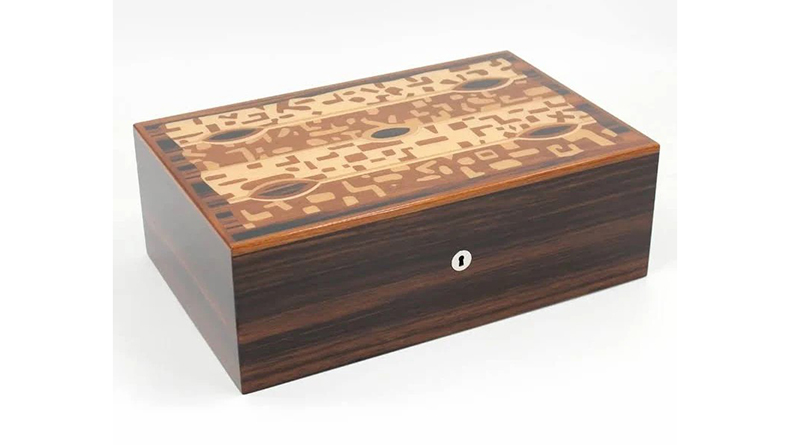
Okoume has a different role from cedar. I often suggest Okoume when the buyer needs large production, stable cost, and a refined exterior. Okoume is usually more cost-friendly than cedar. This helps when the order quantity is high. It also gives more freedom for surface treatment. Many cigar brands do not want a plain box. They want lacquer, veneer, patterns, logos, metal locks, or a high-gloss surface. Okoume can support these decorative processes well. It works as a practical outer body material. It can help the box look elegant while keeping the project cost under control. I would not choose Okoume as the best material for cigar storage by itself. It does not have the same aroma or humidity benefit as cedar. But I do choose it when the main goal is appearance, scale, and pricing. For many commercial cigar box projects, Okoume is not a lower-grade answer. It is a smart production answer.
| Material | Best Use | Main Advantage | Main Limitation |
|---|---|---|---|
| Cedar | Inner lining and collector boxes | Better storage performance | Higher cost |
| Okoume | Outer body and decorative boxes | Lower cost and better finishing flexibility | Weaker cigar storage function |
| Cedar + Okoume | Premium commercial projects | Balanced storage, cost, and design | Needs careful structure planning |
Should You Use Cedar and Okoume Together?
A full cedar box can be costly. A full Okoume box can lack storage value. A mixed structure solves this gap.
Yes, many buyers use cedar and Okoume together. Okoume can form the outer structure, while cedar can be used as the inner lining. This gives better cigar protection and better cost control.
Why I See the Mixed Structure as a Balanced Choice
I see the mixed structure as one of the most practical choices for modern cigar box projects. The reason is simple. The inside and outside of the box have different jobs. The inside must protect cigars. The outside must present the brand. Cedar is strong inside because it supports humidity balance, aroma, and a more authentic cigar experience. Okoume is strong outside because it supports lacquer, veneer, patterns, and large-scale production. When the two materials work together, the buyer does not need to overpay for full cedar. The buyer also does not need to sacrifice the storage value of the box. This structure is useful for premium gift boxes, retail cigar packaging, and custom brand projects. It also gives the design team more freedom. They can create a luxury exterior while keeping cedar where it brings the most value. In my work, this option often gives the best balance between function, appearance, and cost.
| Box Part | Recommended Wood | Reason |
|---|---|---|
| Inner lining | Cedar | Better for cigar storage and aroma |
| Outer body | Okoume | Better for cost and decorative finish |
| Lid surface | Okoume or veneer surface | Better for logo, pattern, and lacquer |
| Premium collector version | Full cedar or cedar-heavy structure | Better for high-end positioning |
How Should a Brand Choose the Right Cigar Box Wood?
A beautiful box can still be the wrong box. The material must match the buyer, the use, and the budget.
A brand should choose cedar for storage and collection, Okoume for bulk production and decoration, and a cedar-lined Okoume box for balanced performance and cost.
How I Help Buyers Decide Before Production
When I discuss a cigar box project with a buyer, I do not start with price only. I ask about the final user first. A collector needs a box with stronger storage value. A retailer may need a box that looks attractive on a shelf. A wholesaler may need stable cost across many units. A premium cigar brand may need all three points at the same time. After that, I ask about the finish. If the buyer wants a painted surface, a wood veneer, a printed design, or a glossy look, Okoume may be suitable for the outside. If the buyer wants a strong cigar storage function, cedar should be used inside. I also ask about order quantity because material cost changes the final plan. A small luxury batch can use more cedar. A large commercial order may need a mixed structure. This method keeps the decision clear. It also helps the buyer avoid paying for wood in the wrong place.
| Buyer Goal | Suggested Choice | Reason |
|---|---|---|
| Long-term cigar collection | Cedar | Better storage and aroma |
| Large wholesale order | Okoume exterior | Better cost control |
| Luxury retail packaging | Okoume outside, cedar inside | Balanced look and function |
| High-end gift box | Cedar lining with premium finish | Better user experience |
Conclusion
Cedar protects cigars better. Okoume supports cost and design better. A mixed structure often gives brands the best balance.